


Maybe a bit shorter this week - for a retired chap with no clock to watch the past few days have been replete with unexpected deadlines - fortunately interspersed with enough wildlife encounters and good meals to keep the juices flowing.
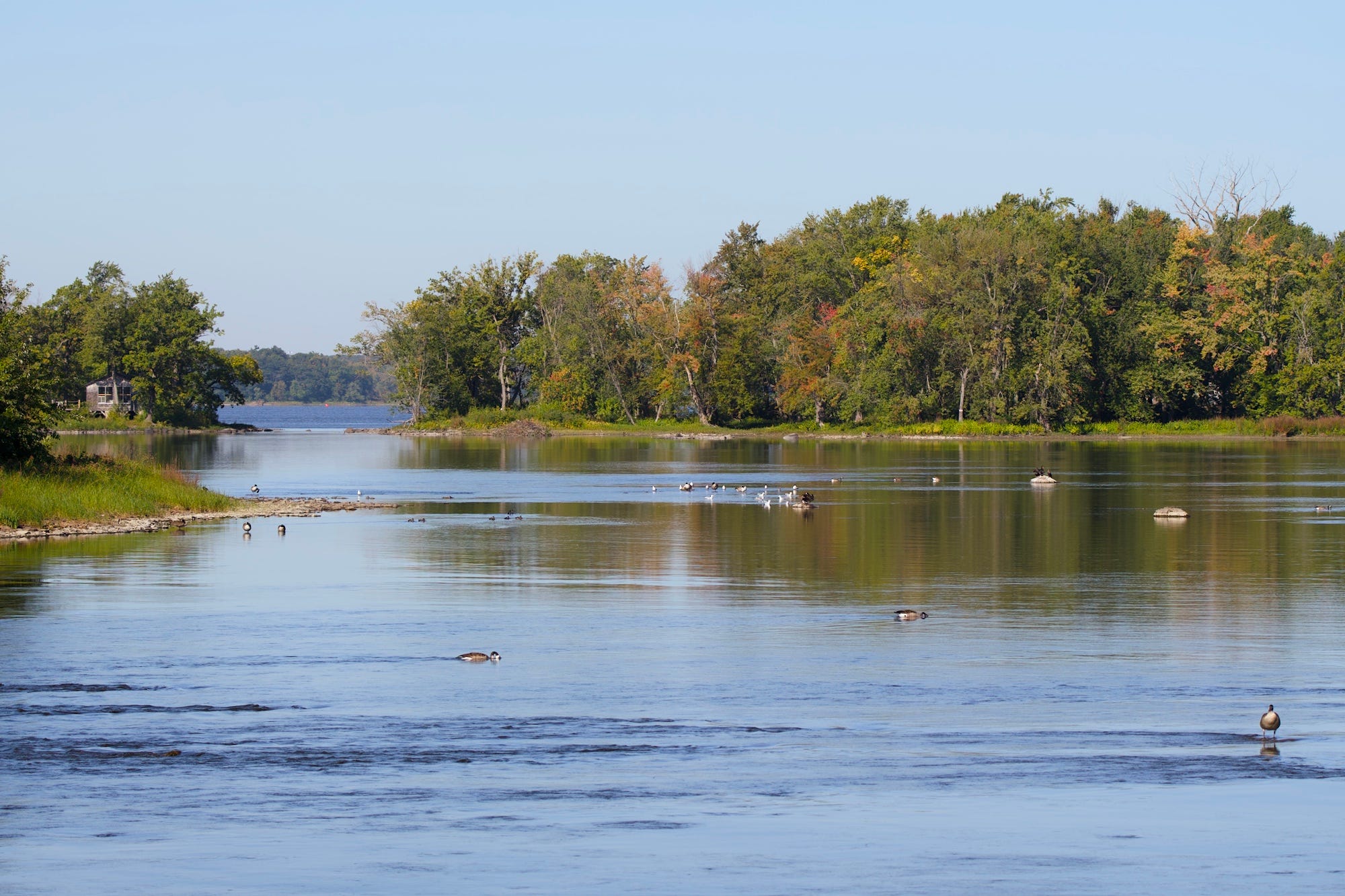
We are now well into the second half of September. Very pleasantly warm days with somewhat chilly mornings and - a splendid thing - many, many species of Asters to look at, all with a busy passenger list of insects, especially bees making the most of the last nectar offerings of the year. When I was working, we always took a vacation in September when we would rent a cabin on a lake and go fishing, mostly for wild trout. Haven’t been able to go in recent years but a marker of this period was always the drifts of Wood Aster flowers along the edges of trails and in ditches. One of the best times of the year. As you will probably expect, these species are members of the garden plantings.
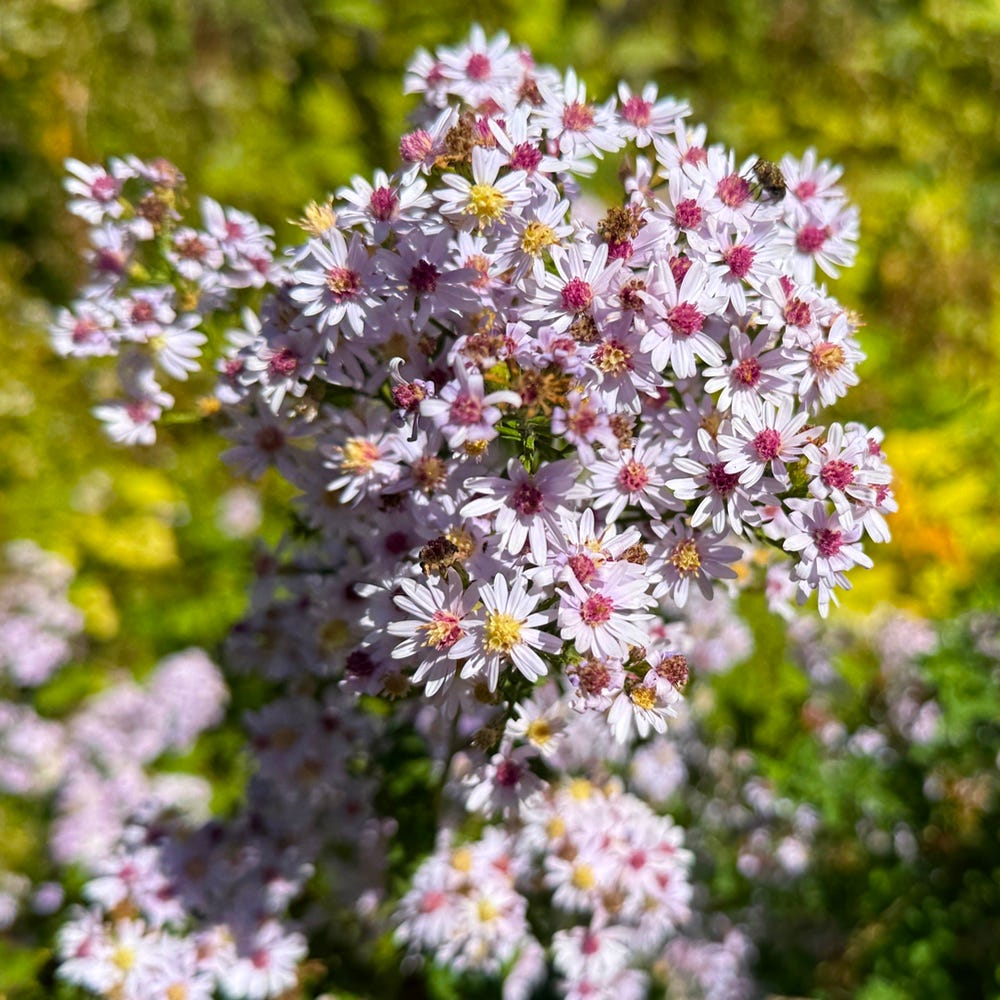
The understory, and our garden which is well treed, is coloured with purple New England aster (Symphyotrichum novae-angliae) and wood aster (Symphyotrichum urophyllum) flower.s in extensive drifts. The composite heads of asters acts as landing pads for a wide range of pollinators. Bees of many species work the flowers methodically, bumblebees are everywhere when the sun shines - as it has this week - burrowing into florets to take nectar, and native solitary bees, particularly mining bees of the genus Halictus, are common. The flowers also attract butterflies: monarchs sometimes pause during migration, cabbage whites, and clouded sulphur butterflies are everywhere. Less conspicuous insects investigate florets for pollen, while parasitic wasps almost too small to notice hunt.
What makes these asters ecologically important is timing. Many pollinator species depend on these late-season resources to build fat reserves before hibernation or to fuel southward migration. The New England aster’s dense inflorescences offer particularly efficient foraging, allowing insects to visit dozens of florets without flying far. Wood aster, by contrast, spreads through shady patches where few other late flowers persist, supporting a different range of insects including beetles and fly species that are less visible but equally essential. Both aster species also shelter aphids and their predators - ladybird larvae for example and lacewings. Preparation for winter. Busy times.
Some interesting insects seen recently included these:


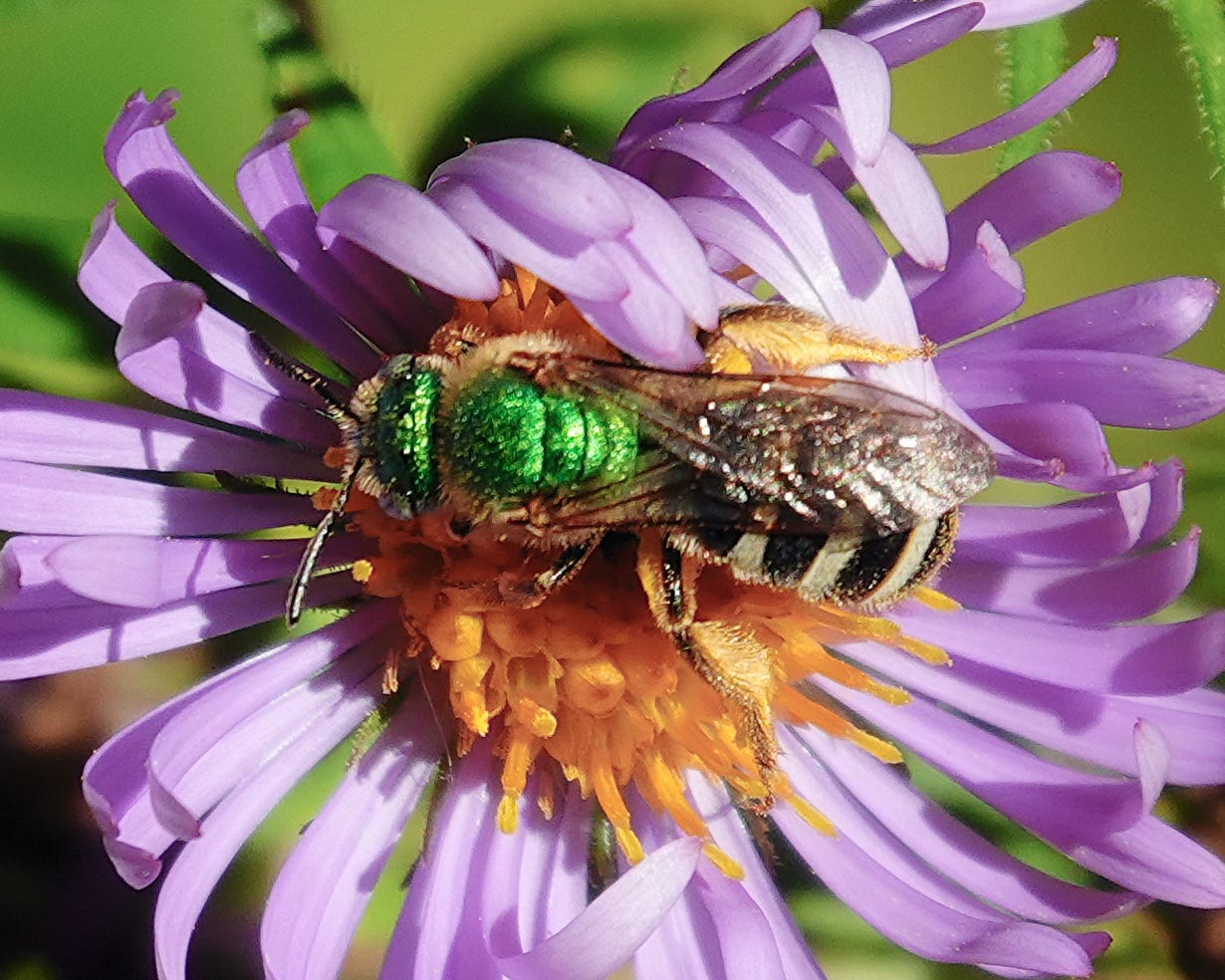

This is Charlie
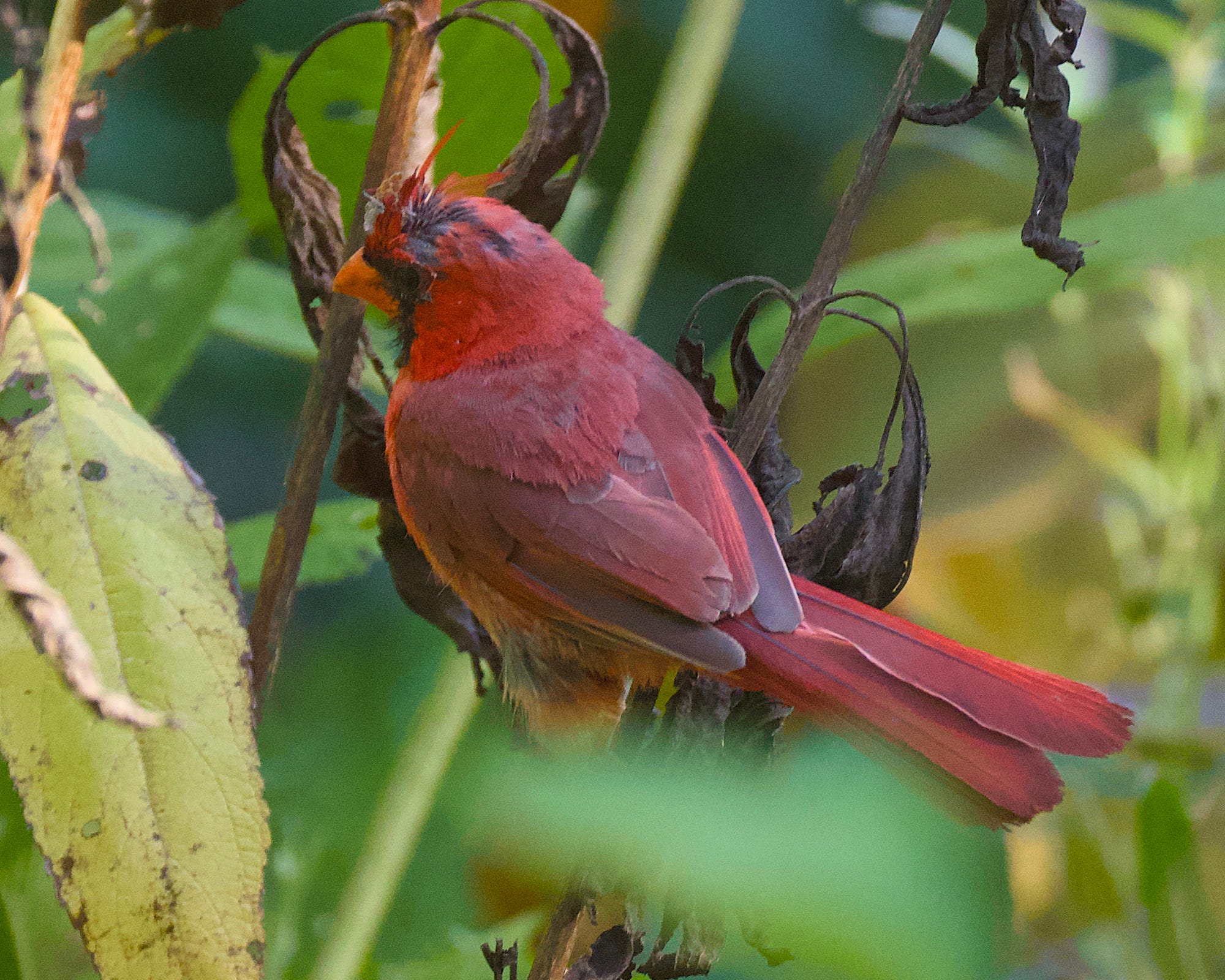
Charlie has spent the summer raising two, could be three, broods of youngsters with his partner. Unlike some birds he won’t fly south for the winter. Out of a sense of duty he will stay with us to bring some colour to our gardens when the snow arrives. After raising all those kids he is now feeling more than a little worn and scruffy. Make sure your garden has what he needs to help him get through the coming winter. Cheers for Charlie.
Some people who have seen this photo have commented on the grey'/blue of some feathers - to the extent that at least one needed to be convinced that it it a Cardinal. The answer is that this is a Cardinal in molt - quote:
The iconic red hue of a male Northern Cardinal is not created through pigments in the same way as dye in fabric. Instead, this vibrant color is the result of a biological process known as carotenoid metabolism. Cardinals are unable to synthesize these specific red and yellow pigments themselves; they must acquire them through their diet. Foods rich in carotenoids, particularly berries like dogwood and fruits, are the primary source of the molecules that will eventually be deposited into the growing feathers of the bird. The presence and concentration of these pigments directly dictate the intensity and brightness of the red tones, with a diet rich in carotenoids leading to the deep, saturated red that is most desirable for mating displays.
Next long-term project - maybe
I like to have something to keep me focussed (pun intended). Several years ago I self published a book entitled 1001 Species which was effectively a simplified and illustrated taxonomy of creatures and plants that live beside me in our small towns and that are representative of those close to human spaces elsewhere. I am playing with the idea of going on from that, to start on a predominantly photo based catalogue and consideration of my personal suburban garden wildlife. Perhaps emphasis on insects and spiders simply because they are a lot of fun to photograph, as well as the birds and plants. Come back in a couple of years and I might have some to show you.
They didn’t get that name for nothing. This article might be of help to the confused.
Confusing Fall Warblers


Love the photos Richard. We were in Novia Scotia last week and went on a walk out to Cape Split and were treated to a Pileated Woodpecker sighting. We have them out here in the PNW but it was fun to see them in a new place.
Love the writing, informative and interesting, and pictures. Thanks.