


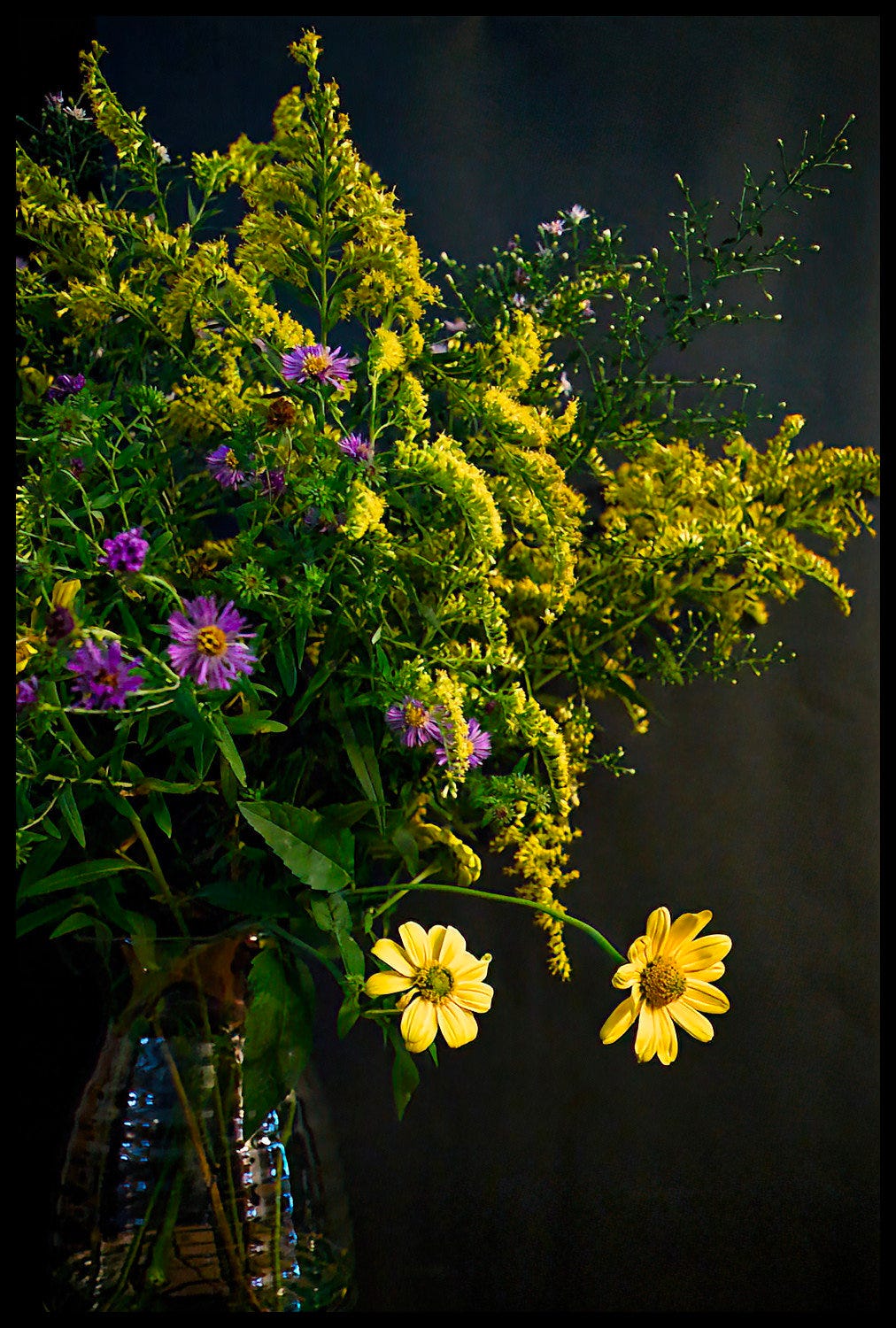
The original title of this newsletter was “1001 Species” and it concentrated on sharing information about the surprisingly diverse and numerous range of species of wildlife and plants that can be found close to the places people live. In towns and suburbs rather then the wilderness. That is still the prominent thread you will meet every week but, as is the way of these things, other topics of interest concerning the environment and conservation crept into the conversation and garnered mentions from my readers, until the title I now use surfaced. Whilst Out Walking.
We, I for certain, don’t only walk physically, although there are not many days when I don’t get out, even if it’s just on an errand close to home. We all, after a fashion, walk virtually as well as physically. We walk in our minds as we wander down mental rabbit holes pursuing interests and finding novel idea. The thing that all these walks, real or virtual, have in common is that along the way we notice things and we wonder about them, and want to know more. The act of noticing and inquiring is what keeps minds fresh and our lives interesting. I try, and I hope I succeed, to introduce readers to a gallimaufry of ideas and observations that I have noticed whilst out walking.
At which point, two new and useful words we might all use more - this is one of those rabbit holes I mentioned:
The first is gallimaufry, loosely defined today as a motley assortment or collection of mostly unrelated things. The word first emerged in the 1500s as the name of a type of stew … which fits modern usage. The second is a word that is genuinely new to me. I know, and even use, perambulate, to which I now can add obambulate which differs in being the act of walking about with no particular purpose other than to take the air and hopefully notice things … as one does at times. Very useful.

Birds of the Week …
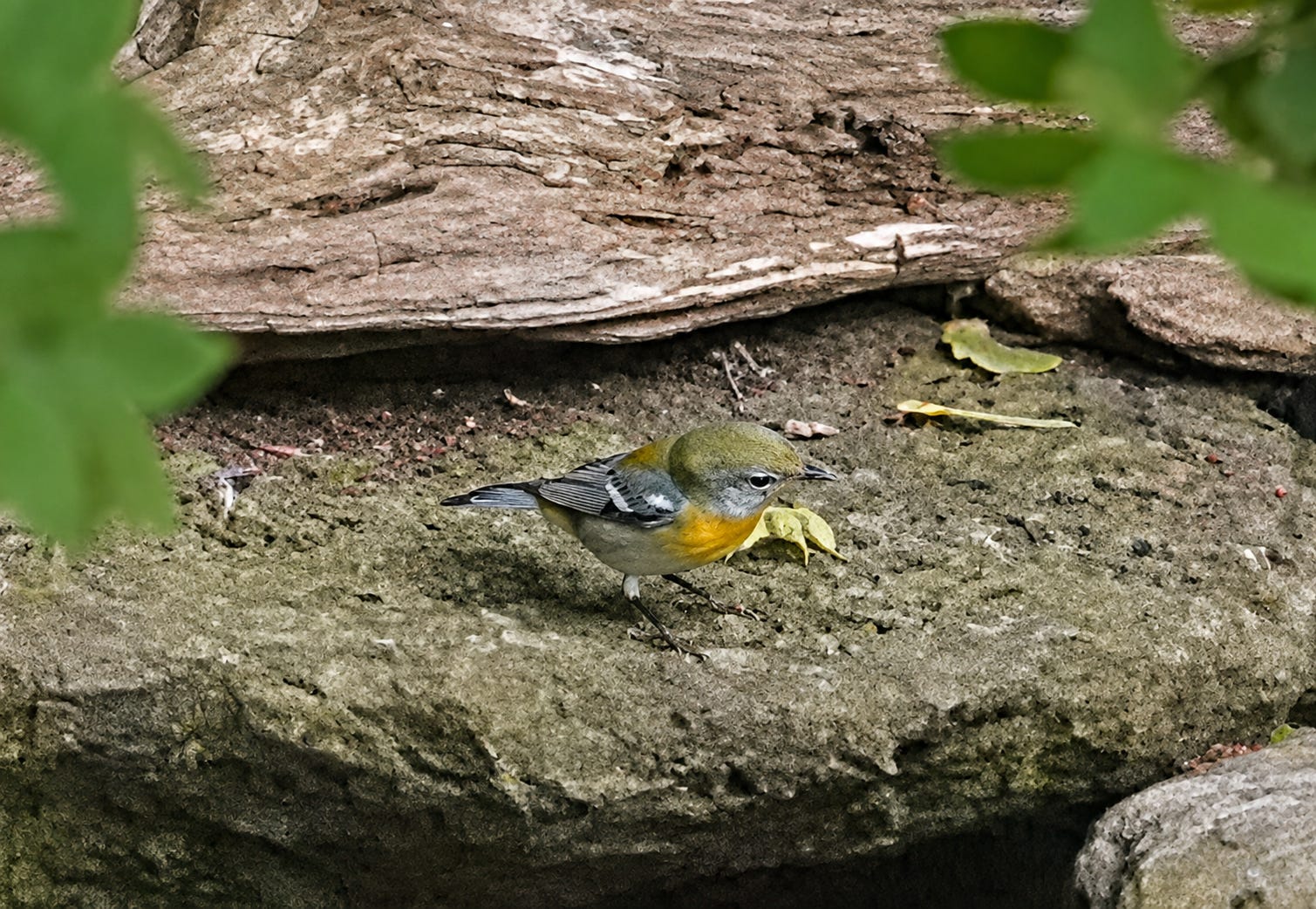
Recently there have been gatherings and drop-ins of a lot of migratory warblers heading south. They appear sporadically all over the garden prospecting for whatever makes a travelling warbler content, while the best and longest views have been in the header pool at the top of our waterfall. For example, this Northern Parula …
Not particularly rare, but we have had daily Ruby-throated Hummingbirds around the garden for most of the summer. Just now they are busy fattening up for the long migratory flight which they will be taking very shortly. They noticeably transform at this time of year from sleek little torpedoes into something more resembling a rather small tennis ball. This fellow is homing in on an end of summer Monarda.
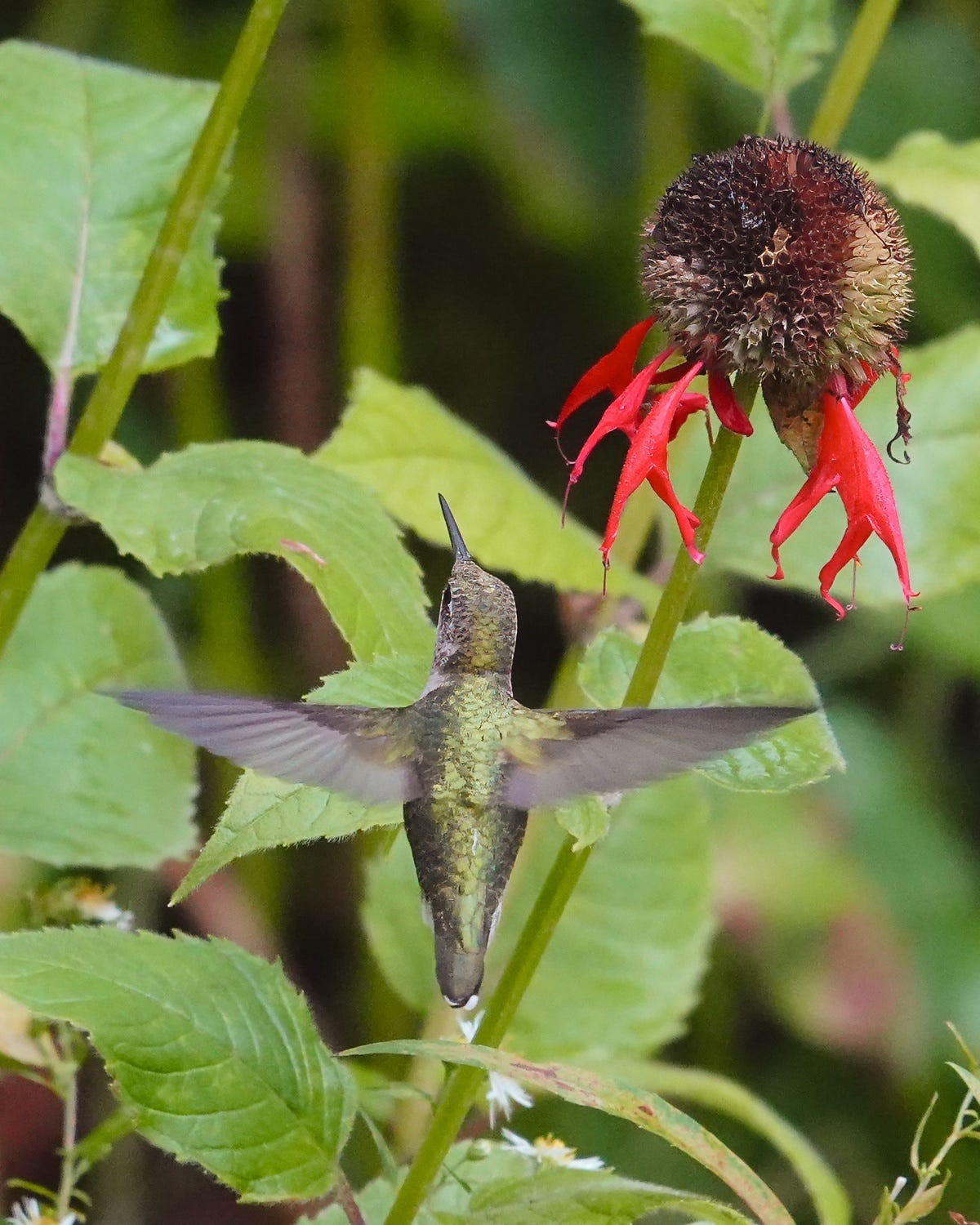
I am moderately pleased with the above photo as I am busy learning the infinite complexities of a new wildlife camera (Sony RX10 v) that comes with some very clever electronics that recognize birds automatically and lock onto them while you get ready to press the shutter release. Hummingbirds move so fast it has hitherto been quite hit and miss whether I can get a good enough picture. This fellow was here and gone in a blink. I have other cameras for the more artistic photography, but this is going to be a very useful tool when walking about.

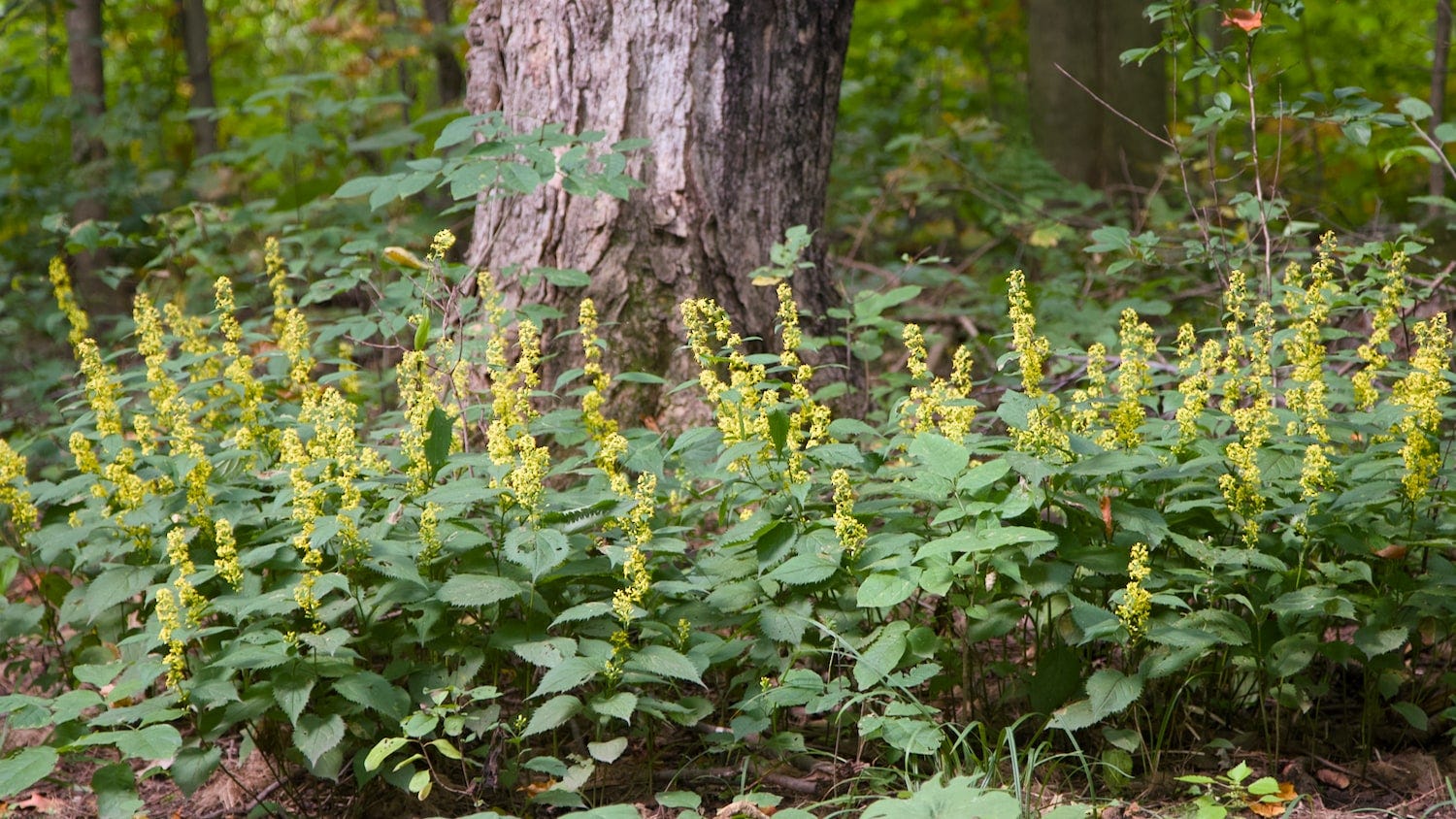
Not all Golden Rod species are head height and floppy - these are a stand of Broad-leaved Golden Rod (Solidago flexicaulis) growing in the Morgan Arboretum, one of my walking places. The plant is normally no more than 2-3 feet in heigh and bears sometimes as many as 250 small yellow flower heads, some at the end of the stem, others in the axils of the leaves which are a particularly bright shade of “gold”. It is particularly attractive to native bees. Once established they will tolerate dry soil. Prefer part-shade and fertile soil but are also tolerant of heavy shade and clay soil which is a very appealing feature - we don’t have them in our garden but there is a corner in which they would be welcome. Next year, perhaps.
Let the insects guide you
Are you thinking yet about next year’s wildlife garden?
A couple of years ago I made a note from a short post on the Birds Canada website that is for some reason no longer online. Anyway, it included this suggestions for deciding what plants are best in your wild garden. Quote:
If insects love your garden, birds will too. Sarah keeps a close eye on which plants are getting nibbled. “Insects eating all of a specific type of plant is not a sign there’s too many insects. It’s a sign there’s not enough of that type of food. Canada violet is getting decimated. That’s a sign I need to plant more of it. Wild ginger, on the other hand, has only been nibbled at, so that tells us there’s currently enough.” This approach helps ensure their garden supports the food web from the ground up
We want our gardens, whatever our personal aesthetic happens to be, to be pleasing to the eye and flowers are only part of it. A plant that attracts pollinating insects will produce seeds that birds can eat. A plant that gets eaten by insects is the plant that the birds nesting in your hedge will go to to collect those insects and feed them to their growing young. Do not be too tidy - even when the flowers have passed most plants still have important work to do.

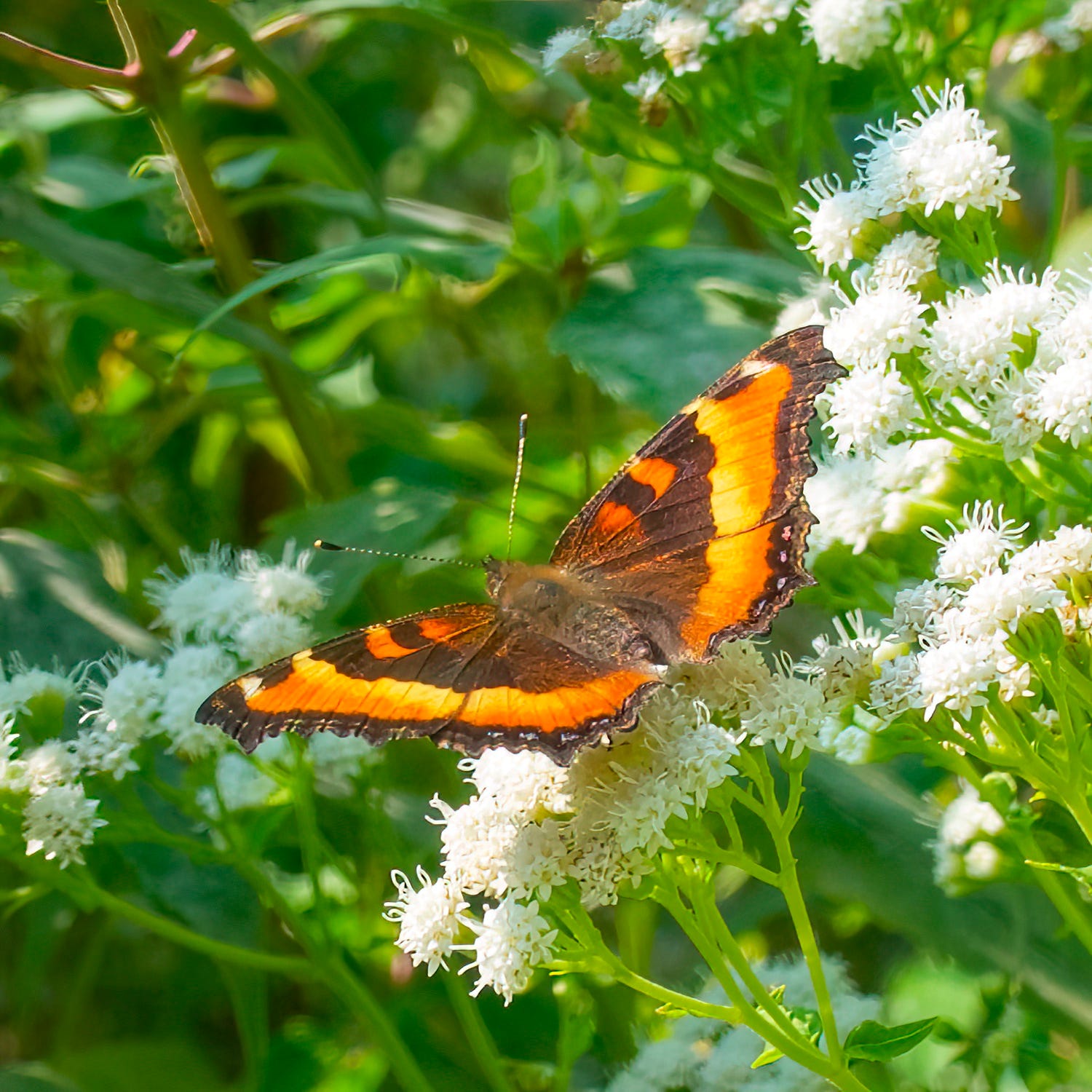
Milbert’s Tortoiseshell Butterfly (Aglais milberti), also known as the Fire-rim Tortoiseshell is the only species of the proposed Aglais genus that occurs in North America. It is one of two tortoiseshell butterflies in North America. The other species being the California Tortoiseshell. Although their range is widespread they are not commonly seen - in fact this is maybe the only one I have encountered.


Orb Web Spiders are perhaps the most common group of spiders that create the “classical”: spiral wheel-shaped webs. Spiders of this group have eight similar eyes, and hairy or spiny legs. The family has a wide distribution, and includes many well-known large or brightly colored garden spiders.


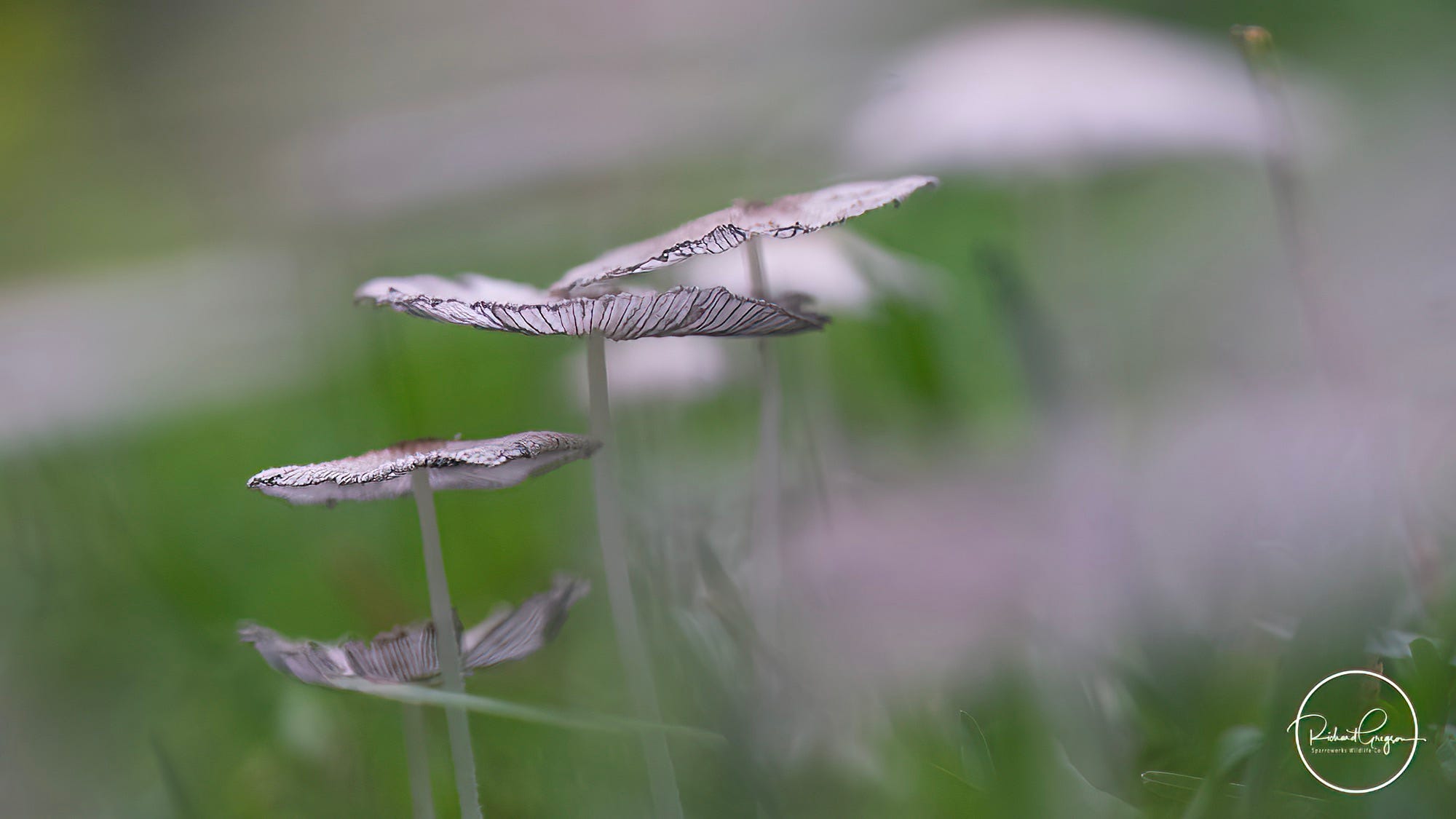
Hare’s Foot Inkcap, so named because of a supposed vague resemblance of the young fruit body to the paw of a white rabbit. It is delicate and short-lived, the fruiting bodies lasting only a few hours before dissolving into a black ink - a process known as deliquescence.

If this piece interests you, then please consider subscribing. It’s free.

GF Bread Recipe (I don’t/won’t do this often)
Going off trail a bit here - and why not.
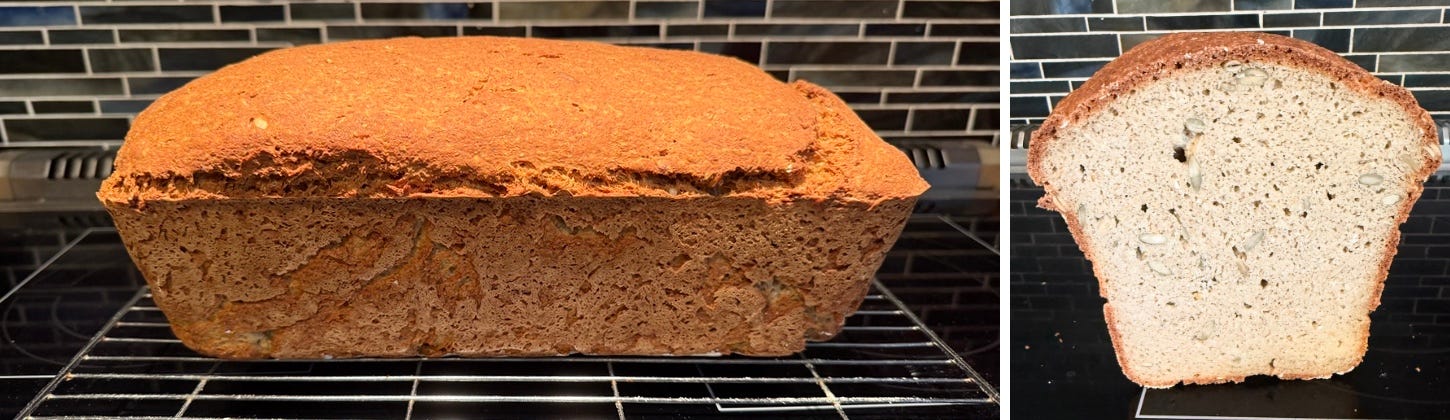
J has gluten intolerance and so can’t enjoy the sourdough bread I make for myself. Over many years I have worked on perfecting an acceptable gluten-free bread recipe and now offer this for your consideration. It isn’t light and fluffy, but tastes good and makes fine toast. What else do you need? I have made use of several different flours to create an interesting flavour but you can play with the proportions to get your preferred taste. If you don’t have all the flours I list, then substitute weight for weight with what you do have.
Mix really well - best to use a mixer with a dough hook:
150g gluten free flour
200 g cornstarch or corn flour
100g buckwheat flour
300g chickpea (garbanzo) flour
150g almond flour
100g oat flakes
30g flax meal (optional)
a handful of pumpkin seeds, chopped walnuts, roasted sunflower seeds etc.
2 eggs
3tsp xanthan gum (in the absence of gluten this holds things together)
3tsp rapid yeast
700ml water (or thereabouts - maybe a bit more)
Mix thoroughly - noting that a wetter dough is better than not enough water, should be a bit sticky. If it’s not wet enough then it won’t rise fully.
Put into a loaf tin. Press down well and smooth the top with a wet spatula
Leave to rise somewhere warm - in the oven with just the light on works for me. This almost doubles in height. About 60-90 minutes.
Bake from ambient temperature (do not pre-heat the oven) at 350F/175C for 50 minutes, if you don’t have a fan oven you may want to increase that a touch. If it did its initial rise in the oven then leave it there, turn the heat on and pour yourself a cup of tea while it bakes. Allow to cool fully before slicing.
That’s all.

I finish today with a fascinating article about a life form that I meet occasionally while walking and in the garden which is beginning to intrigue me. See what you think. Slime moulds.
Will try your bread recipe. Gluten is not an issue for me, but a good recipe is always welcome. Top of the fridge gives me than just slightly warmer rising environment.
Beautiful shot of the hummer, Richard.
Beautiful camera. \Envy.
Brian Capper