

Changing seasons - I often go for a walk round the (small) garden after a mug of tea and before breakfast. Yesterday it was barely 8C outside and for the first time for many a moon I felt the need of a jacket. I think we have had the last of the outdoor-ripened tomatoes but there are still a good number that will ripen indoors in brown paper bags over coming weeks, so the wolf is not quite yet at the door. The tomato vines will make good additions to the compost factory
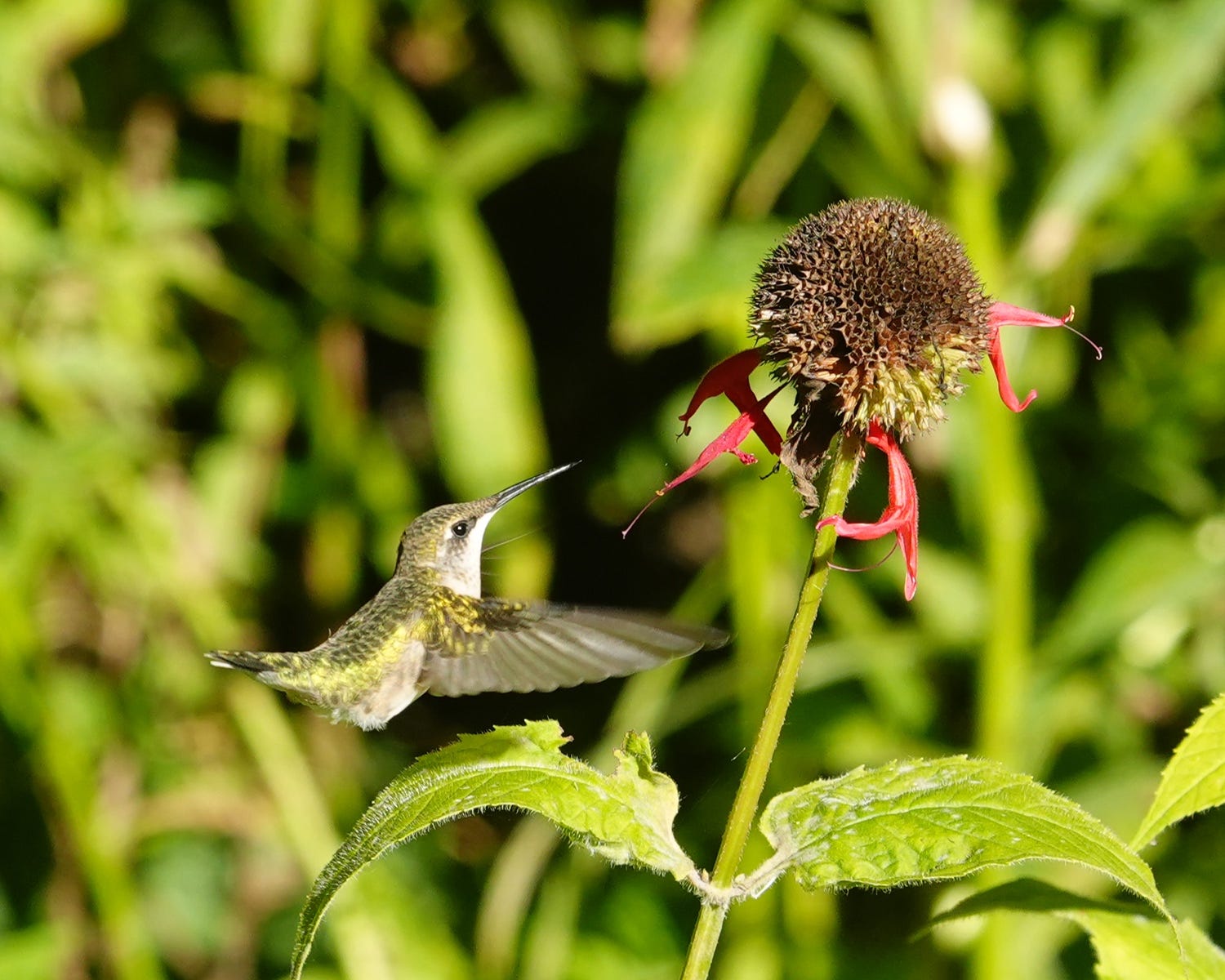
Changing seasons means migration - I think “our” Hummers have left but new ones still pass through from the north daily.
At the back of the garden we inherited a large, multi-stemmed norway maple tree that was already mature and tall when we bought the house long ago. Not a species of tree that is particularly desirable or one you would plant from choice - they are invasive and can outcompete native species, reducing biodiversity. Additionally, they have a poor root system that can lead to structural issues and are prone to several diseases. The density of its leaf canopy has been thinning in recent years, there are dead branches and an arborist has found a large area of rot/canker near the base of the biggest trunk and so it’s going to have to go. Before the winter storms. We don’t like felling trees and, indeed, it’s hard to get a permit in this town to do so anyway … but after filling out a lengthy form from the town hall, and paying a nominal $10 fee for someone to read it, we have been issued with a permit and it will be coming down, expensively, towards the end of October. Winter will be spent deciding what to plant in its place - we are required to do that anyway. Maybe a red maple, or a paper birch? We will see.
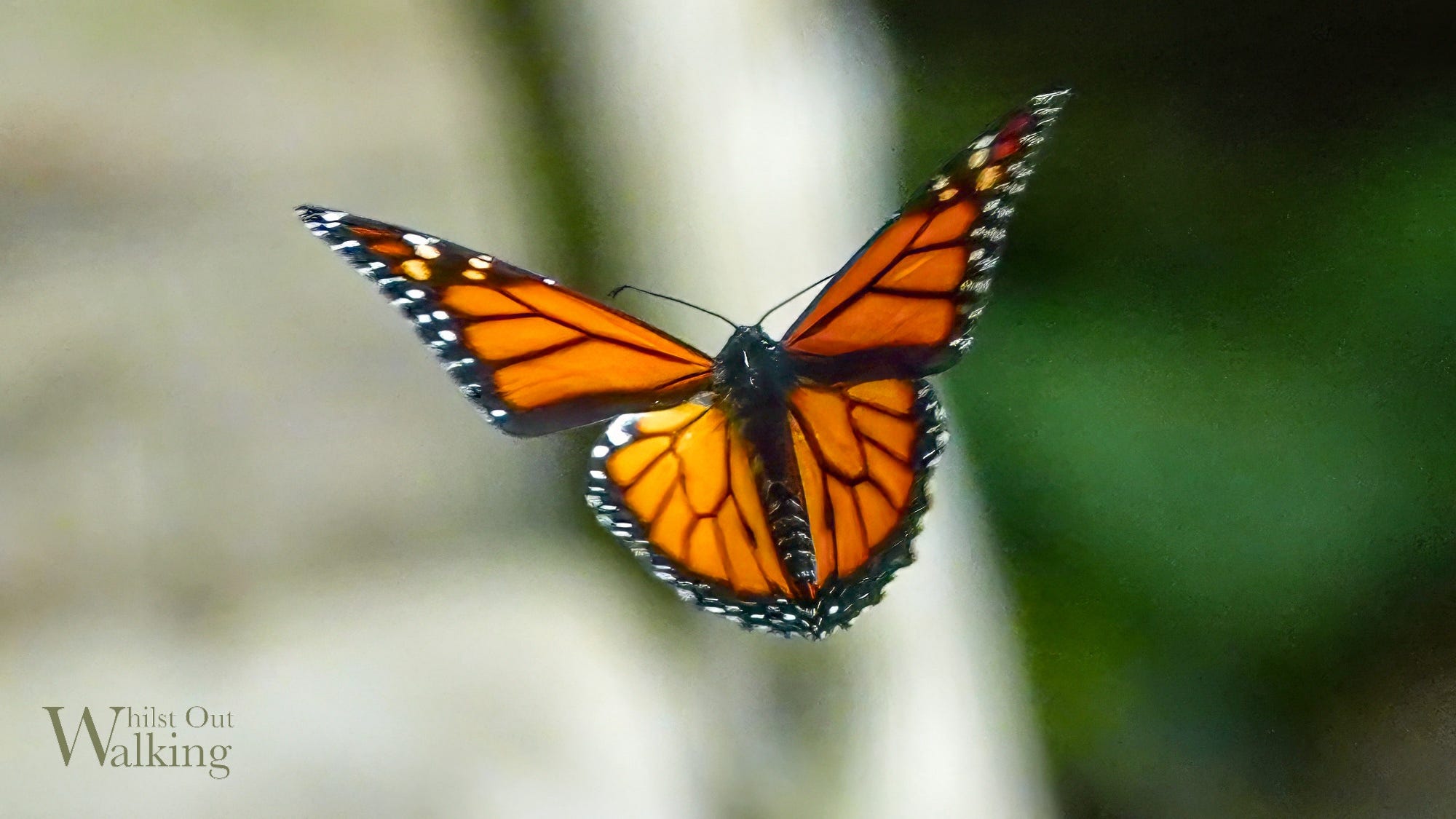
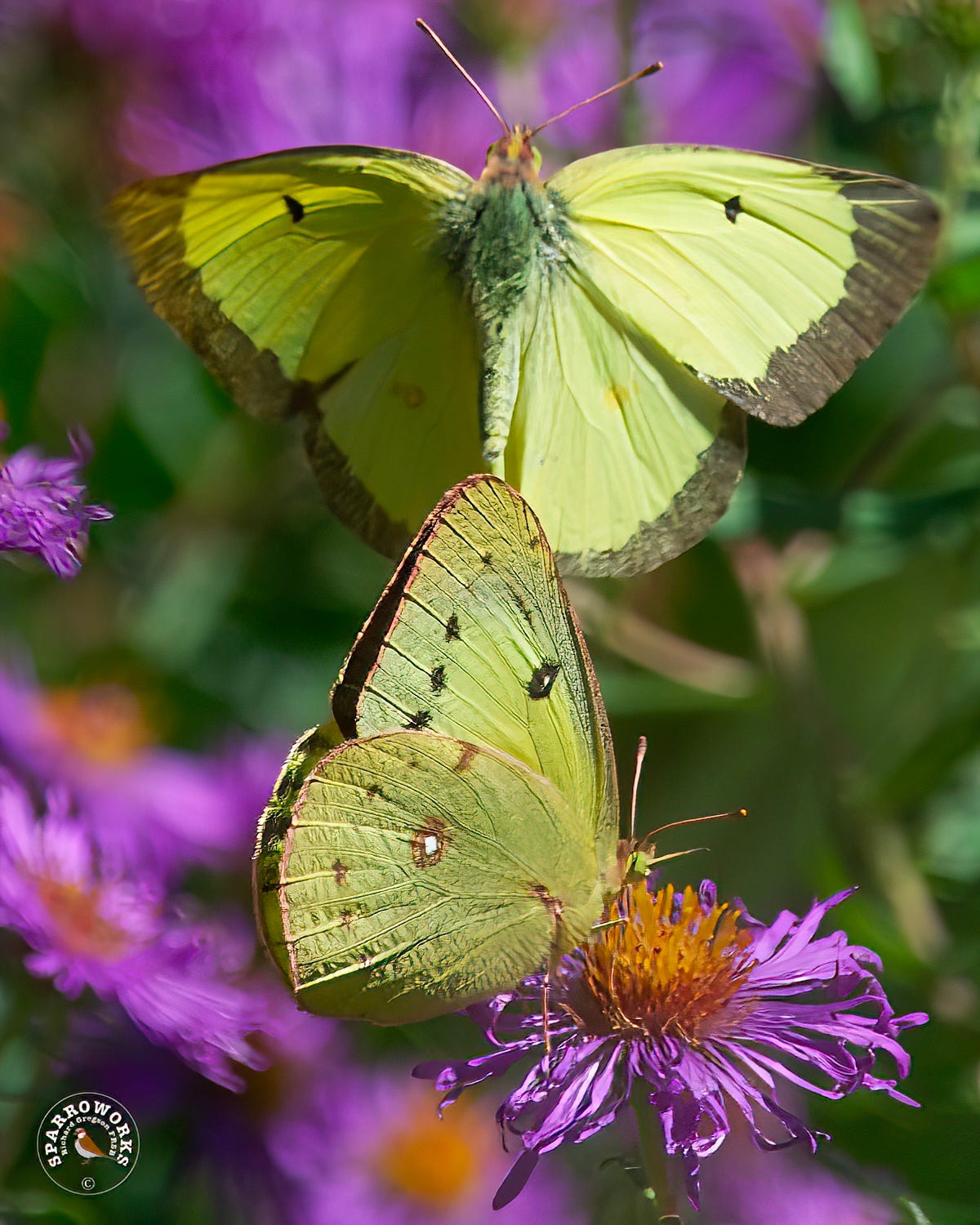
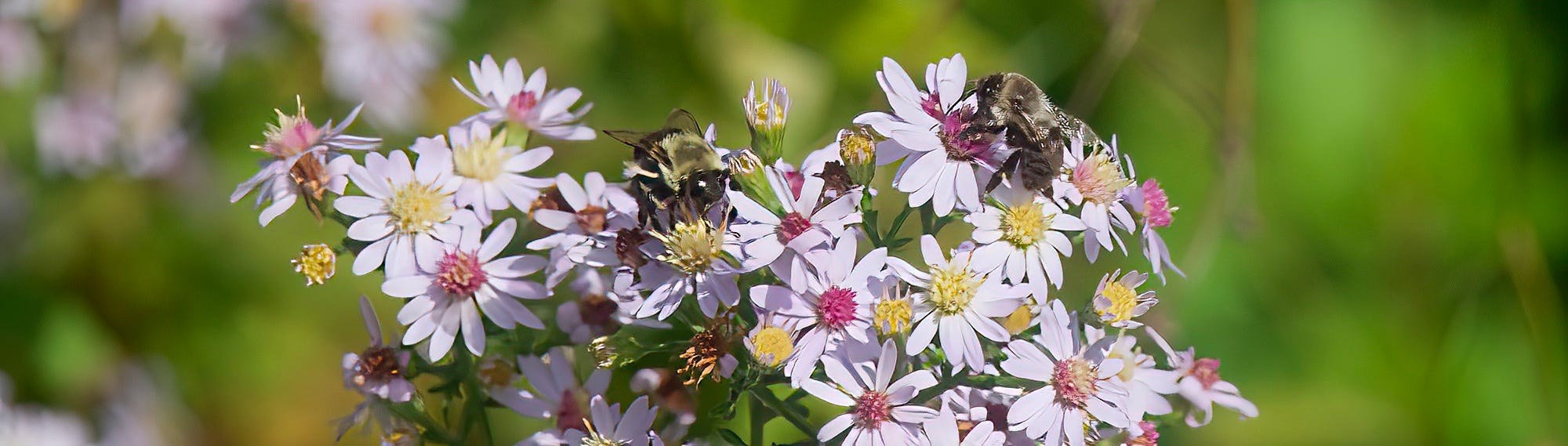
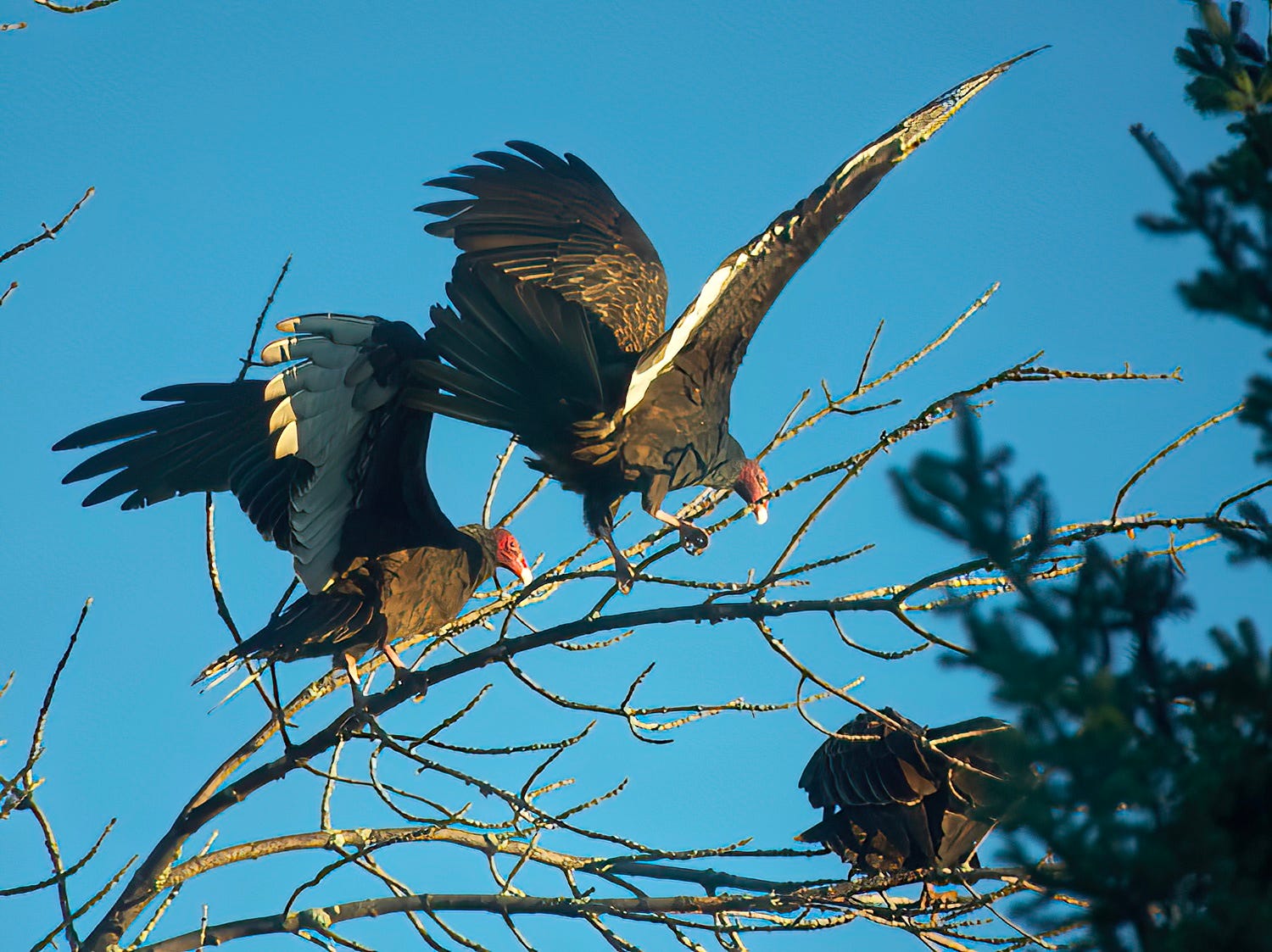
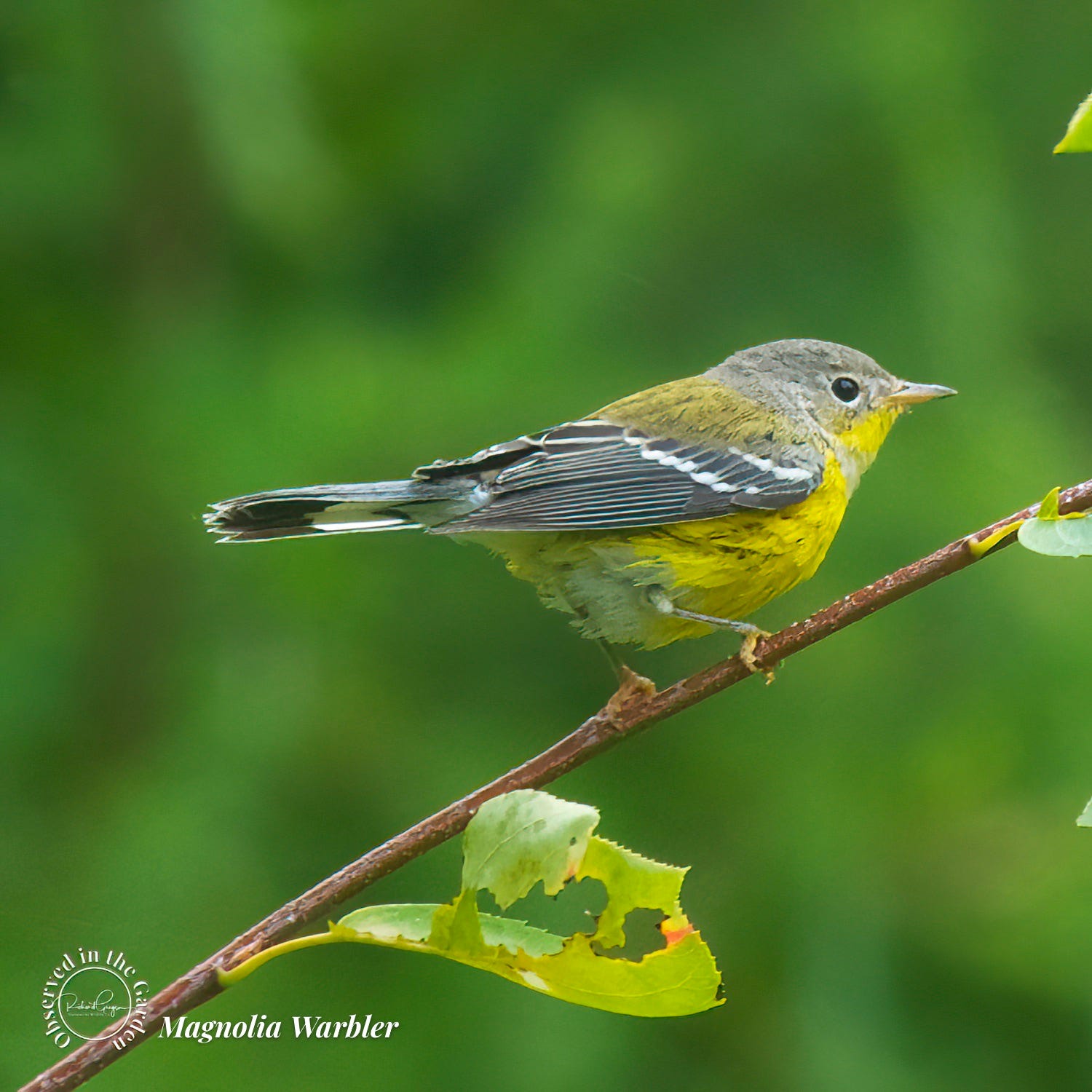
As is customary, we start with a few random photographs of creatures seen in recent days. Nothing very rare or unusual, but all indicative of the variety of life that can be seen around our homes and gardens without having to travel into the wilderness. My experience is that while there are sad people who don’t care about nature (‘Oh, yes, a bird” or “That’s a weed, it has to go”) there are plenty more who actually do enjoy having birds and (some) insects around them as well as flowers and trees to admire … but too often they don’t know the names, or how one relates to another. Pretty well everyone cares more about something once they know the name of it … so moving from “weed” to “wood aster” is a crucial achievement.
Unfortunately, it can be hard to know where to look in order to start learning the names of the neighbours. More on this after the weekly photo collection:



Back now to finding identifications for wildlife and plants.
When I was young(er) we carried half a dozen field guides in our backpacks but today all we need in the field really is a smartphone. The internet will usually sort out the ID you need … I won’t get into this in too much depth, but here are some pointers to get you started.
Log on to a local wildlife or plant social group with a photo or a good description and ask. Just be aware that without place and date it can be hard to answer your query, that without please and thank you (often overlooked, sad to say) you may not get a response, and also don’t accept the first suggestions that comes along without verification - there are many people who don’t actually know and just guess, but guess with authority. These are great places to ask, people do want to help, but treat answers with caution sometimes.
Anything plant or animal - start with the iNaturalist app. You will need to upload a photo first. The app will suggest possible identifications - pick the one you think is most probable and then sit back. In time other users will see your post and if they think you are mistaken will suggest alternatives. Invaluable.
Birds - install Cornell University’s Merlin app on your phone and you will be learn much - it also works with bird song recordings as well as photos.
Birds - install one of the apps linked to traditional field guides. Sibley is a great place to start in North America. In Europe install an app linked to Svensson’s Birds Of Europe (and buy a print copy to study in the evenings. Probably the best bird guides on the planet).
Insects - think about ObsIdentify

Food for Foodbanks - many people need it, a lot
A year ago almost to the day I wrote here about a volunteer venture that I help to organize. It is on land made available to us by the town some 15 years ago to grow the produce which we donate to food banks. Last year alone we donated 8200lbs of organic, fresh produce with an estimated retail value of about $28,000 … maybe you or your friends could do something like this in your community?
https://1001species.substack.com/p/a-helping-garden-offshoots-and-byways
Earlier this year this video ws put together by a local foodbank
We were briefly on TV too, just after Covid in 2021
https://globalnews.ca/news/8060772/garden-at-fritz-food-bank-harvest/

Hyper local work
I have mentioned this short article before, but it’s so good I’ll share it again. Basically, the message is that while we cannot solve the environmental problems of the world alone we should not be discouraged but do what we can in the small local patch on which we live. All those small efforts add up to something that matters … and anyway, it’s so enjoyable

Tree Equity
Do you know the 3-30-300 rule? An urban greening guideline that sets out what fair, everyday access to nature should look like: everyone should be able to see three trees from their home, live in a neighbourhood with 30% canopy cover, and be within 300 metres of quality green space.
New Guidance on Garden Bird Feeding
We all enjoy feeding birds in our gardens - especially during our cold winters. However, it has to be done right because of the increasing presence of a disease, Trichomonosis, that affects many birds, especially finches. Our town Council’s Environment Committee discussed this recently, and draw your attention to the following best practice procedures in the months ahead.
Trichomoniasis is an infectious disease of many bird species caused by the parasite Trichomonas gallinae. This often infects the upper digestive tract, the liver, lungs, air sacs, internal lining of the body, pancreas, bones, and the sinuses of the skull. It does not pose a health risk to humans or other mammals. It is transmitted among birds through food or water contaminated with recently regurgitated saliva or droppings. Raptors get the disease when they eat infected birds. Bird feeders and baths are important sites of transmission.
Put simply: Feed seasonally. Feed safely. Feed seasonally - there’s a higher risk of disease spreading in summer and fall, when there are more natural foods available to birds, such as seeds and insects so garden feeders are less necessary. It is now recommended that you reduce or stop feeding from 1 May to 31 October. Help birds find their own food by growing bird-friendly plants which provide them with natural food sources. From 1 November to 30 April you can feed your birds a full range of bird foods, including seeds and peanuts as the parasite is not active in the cold months.
Clean bird feeders and baths regularly, using 10% bleach. Bird feeders can become hotspots for disease. Change water in bird baths daily. A pond is the best way to provide birds and other wildlife with water. Do not use table feeders or other flat surfaces as they do not protect food from becoming wet and allow sick birds to sit directly on the bird seed making it more likely the food will be contaminated with the parasite.
Some super tips and advice on how to enjoy, learn and appreciate wildlife in your local area and beyond a good read/listen
No feeding during warmer months. Got it. And at least 2 of my feeders need a trip to the dishwasher.