
"Very Little Understanding"
21 September

Tomorrow at 14h19 where I live (19h19 in the UK and 20h19 in the EU) is the Autumnal, or Fall, Equinox at which point our daylight hours start to become shorter than nights which will continue until the winter solstice, a couple of days before xmas. I was wondering if this newsletter might find some appropriate means to mark the occasion. There is still plenty of greenery in our trees, albeit the first red leaves on dogwood bushes are starting to appear - it will be three or maybe four weeks before we are gasping in awe at the true fall colors of golds and reds. Nevertheless, the equinox is an important date in the natural world, so here are a couple of photographs taken at the autumn equinox, one in my garden and one on the west coast of Scotland.
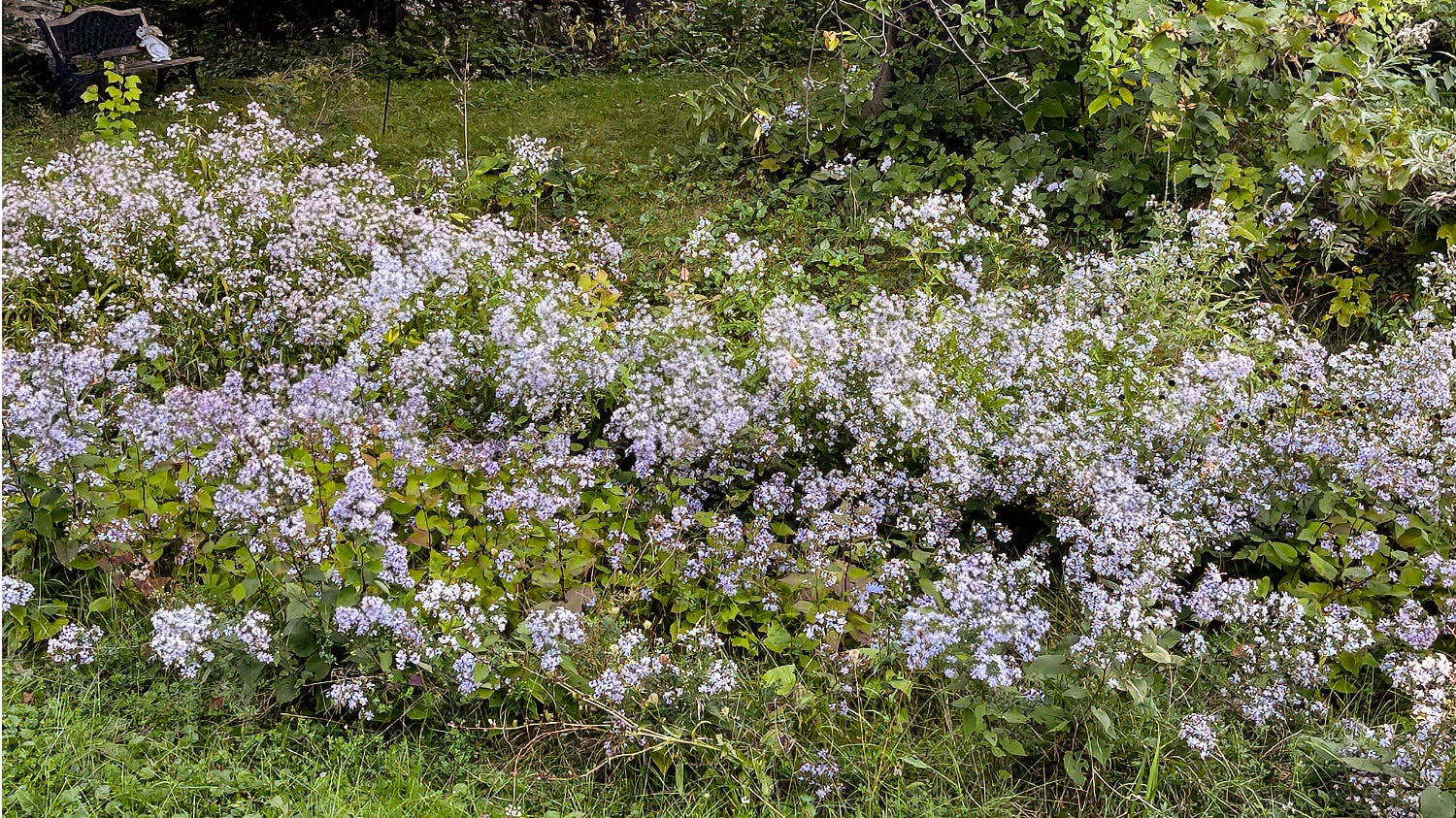
This is the time of the year when the scruffy, small flowered asters suddenly put out drifts of purple flowers. Up to now it is so tempting to pull the plants because they are not things of beauty … and then this happens. These are the Common Blue Wood Aster (Symphyotrichum cordifolium)
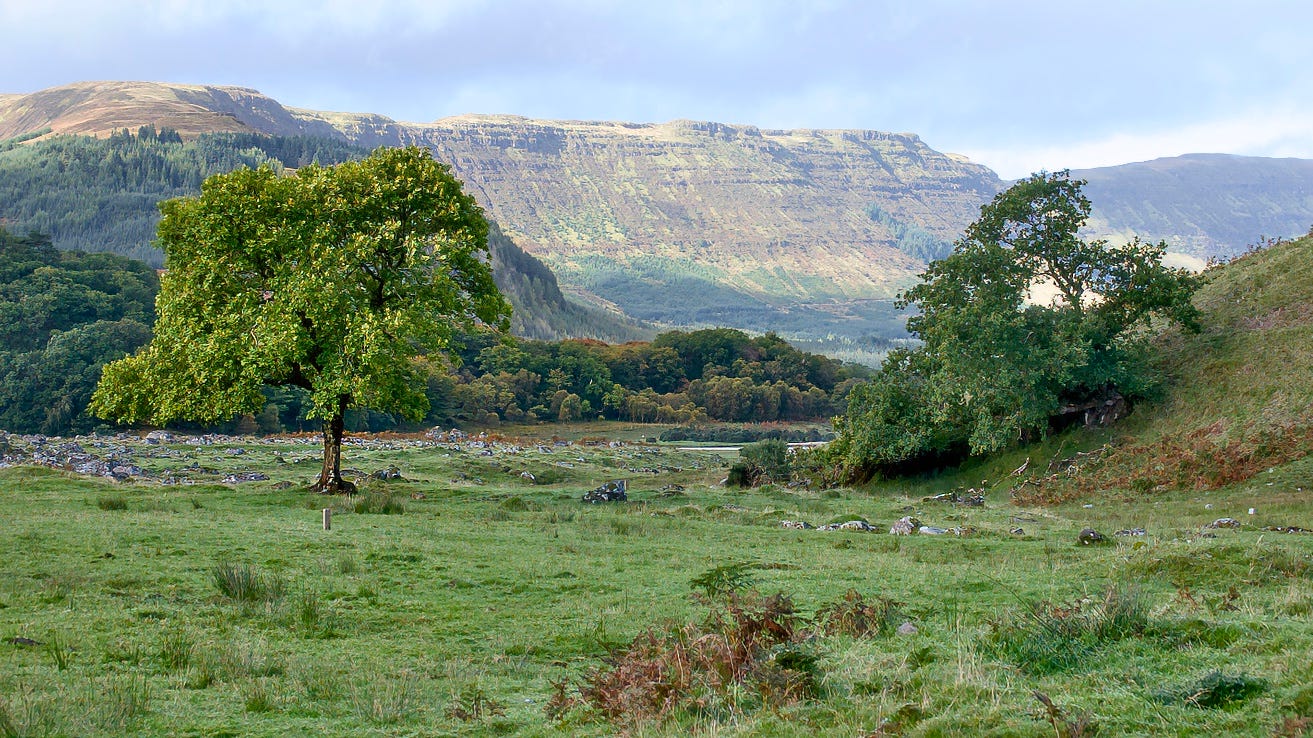
On the other side of the Atlantic, nine years ago, at the equinox, we were able to walk under the watchful gaze at one point of a Golden Eagle, through this glorious countryside. One day we will return.
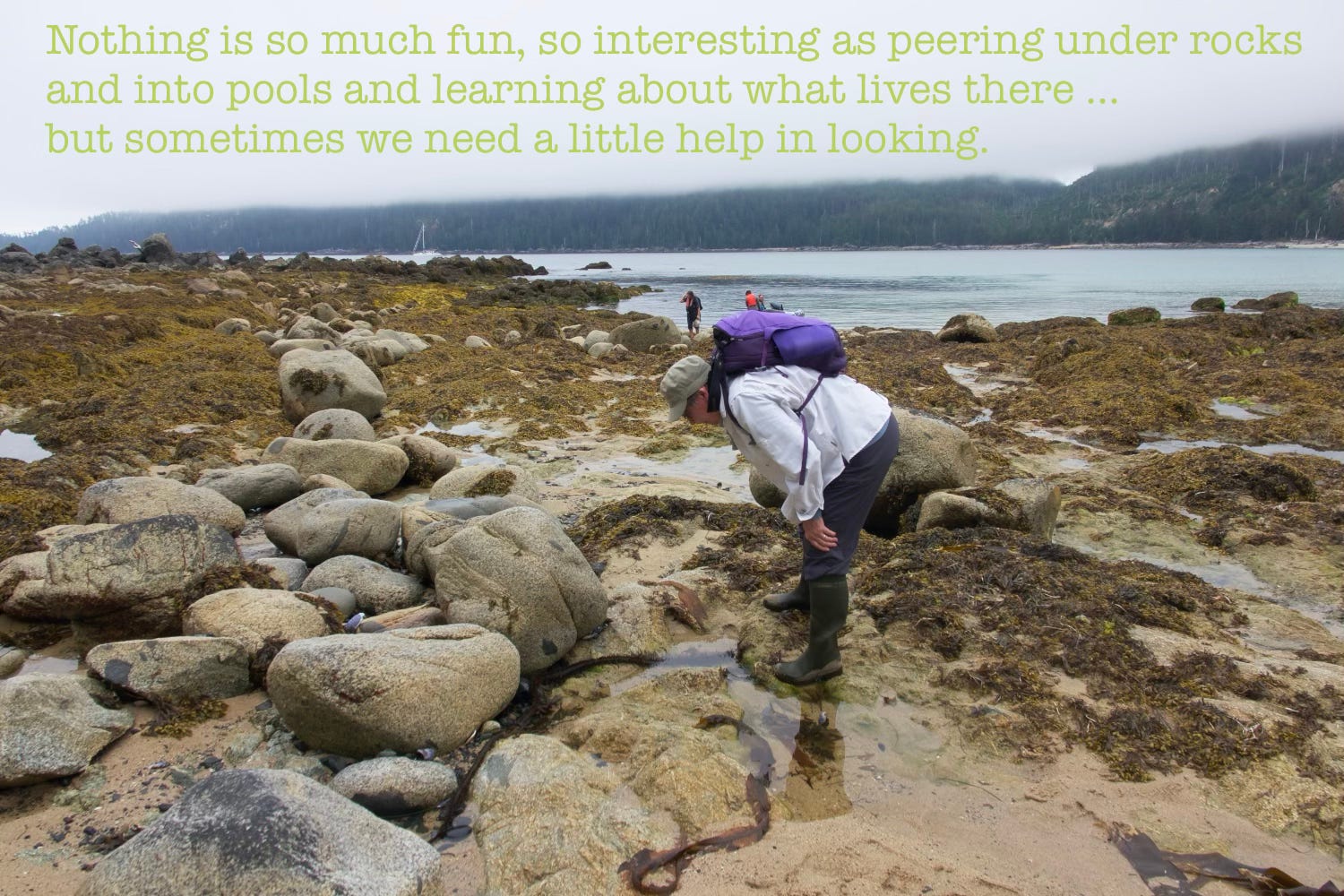
I know that the world has lots of people who enjoy the outdoor, natural world and who go walking from exercise and relaxation. People who are worried about climate change and habitat loss and diminishing biodiversity, It always surprises me, though, how many find it hard to know where to start to learn about the wildlife they meet and putting names to species. They only see “sparrows, blackbirds and other birds” (that’s a real life quote, by the way) for example but are usually open to a few tips on how to identify individual species … if only someone would point them in the right direction. Similarly for wild flowers and trees. Putting names to things that I see “Whilst Out Walking” is where this newsletter began.
In other words, many people learn about nature, to a great extent, via personal interactions with each other and the exchanging of information than they ever will from books and the internet. But if they can’t meet anyone who can answer their questions … why would they ever care about our natural world?
I start by writing about things that interest me. I do it for my own pleasure but also because I would like to reach those people who also have an interest in the natural world and just need a little help. I am not speaking intentionally here to experts, though I’d be surprised if they didn’t enjoy seeing a photo of something rare and unusual too.
In around 27 months of “Whilst Out Walking” the newsletter has gained a consistent and gratifyingly rising subscription base. I think that I must be doing something right. Recently I have come upon a number of articles by people who (claim to) know how to attract a large audience, suggesting that to really engage with my readership I should allow a few personal reflections to appear. I have generally avoided doing this, it doesn’t come very naturally and I don’t want to scare readers away. Of course, if readers are to trust what I, and others, write, then the doing so may be made easier by knowing who they are interacting with and why I/we might know stuff rather than just scattering a rag bag of dodgy information and old wive’s tales.
I now feel it important, and frankly enjoyable, that I can in someway pass on my knowledge to the next couple of generations coming behind us.
If we are to protect our environment from climate change, habitat loss, and so on then it is vital to find ways to ease people from the status of “I like Nature and that's a blackbird” to having deeper knowledge about the environment in which we live, and then caring enough to be prepared to advocate for its protection. I am happy to say “I don't know, but I'll get back to you with the answer as soon as I can”.
Very Little Understanding
As I was sweating over the paragraphs above, and by coincidence, a regular reader (Sandy S) from the left coast of our continent got in touch about a recent post of mine sharing an encounter I had had with a quite common dragonfly. She said “… since the nearby forest was logged a few years ago and then sprayed with defoliant, dragonflies, along with many other insects and creatures are rarely seen. Gone also are the frogs, the many migrating birds. I can only hope they are finding other places more hospitable. Everyday a few hundred logging trucks go by. “ She further wrote: “Most of my surrounding humans are oblivious to what forests are, besides trees. Little if any understanding about the hundreds of native flora and fauna that are also losing their homes. Very little understanding of migrating animals and birds.”
Isn’t this exactly what I have written about? Oblivious to what forests are – I can’t help but find that pretty damning. How do people come through an education system with only a glimmer of the basics being given to them? Are they oblivious because they don’t know better, haven’t had anyone to show them what a forest is, or are they simply oblivious because they don’t care?
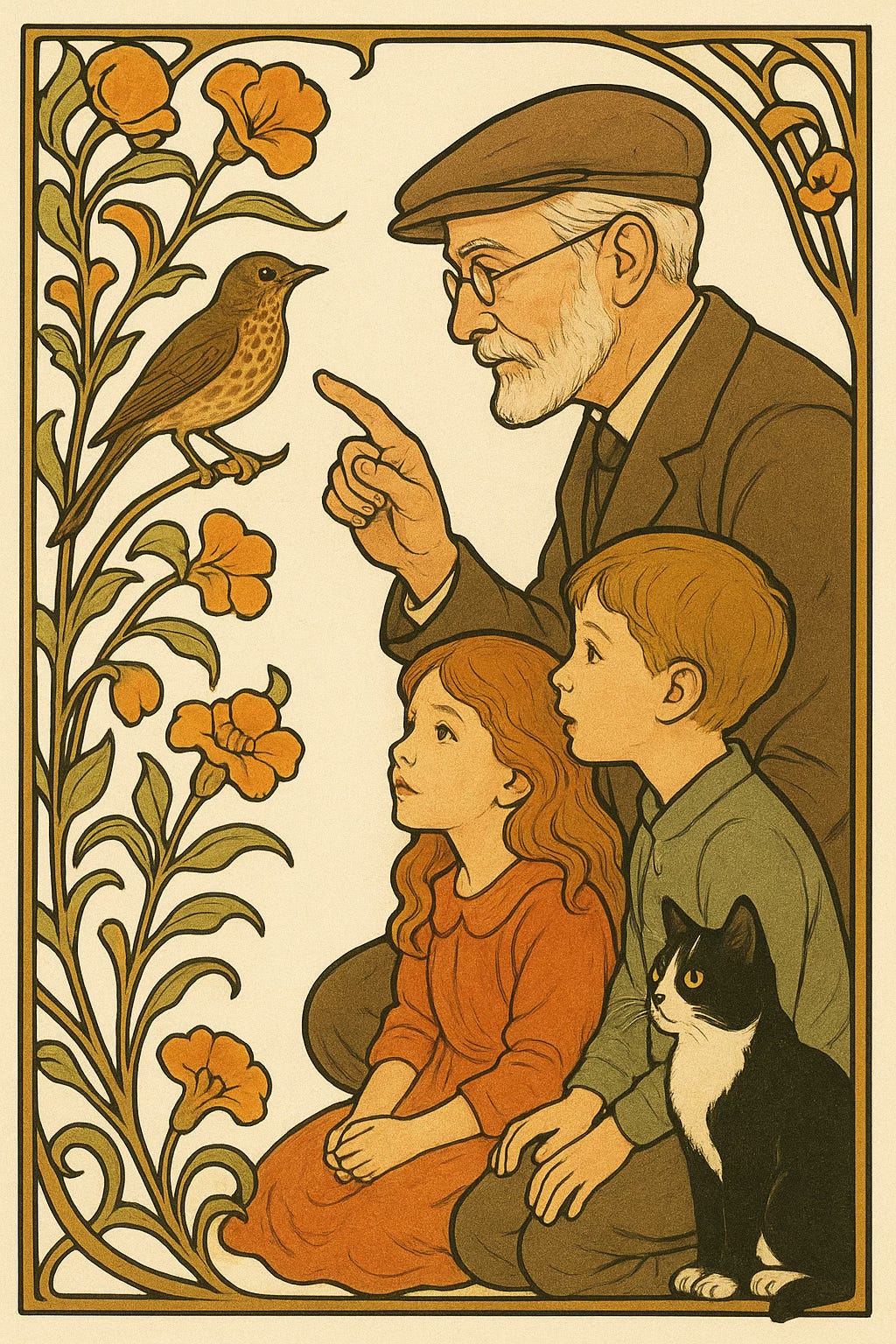
Maybe we who do care can be part of the solution? By smiling as we pass on a trail and, when the opportunity arises, inviting walkers to look at a flower or a bird that has caught our attention we can communicate. Once people get over the shock of the invitation they will often show interest. All the more so if they have kids with them … they are usually eager to know new stuff even if their minders want to get on and away.
Meanwhile … in the wildlife garden
That’s enough about me. Meanwhile, the confusing fall warblers are still passing through - mostly to be encountered in the early mornings.
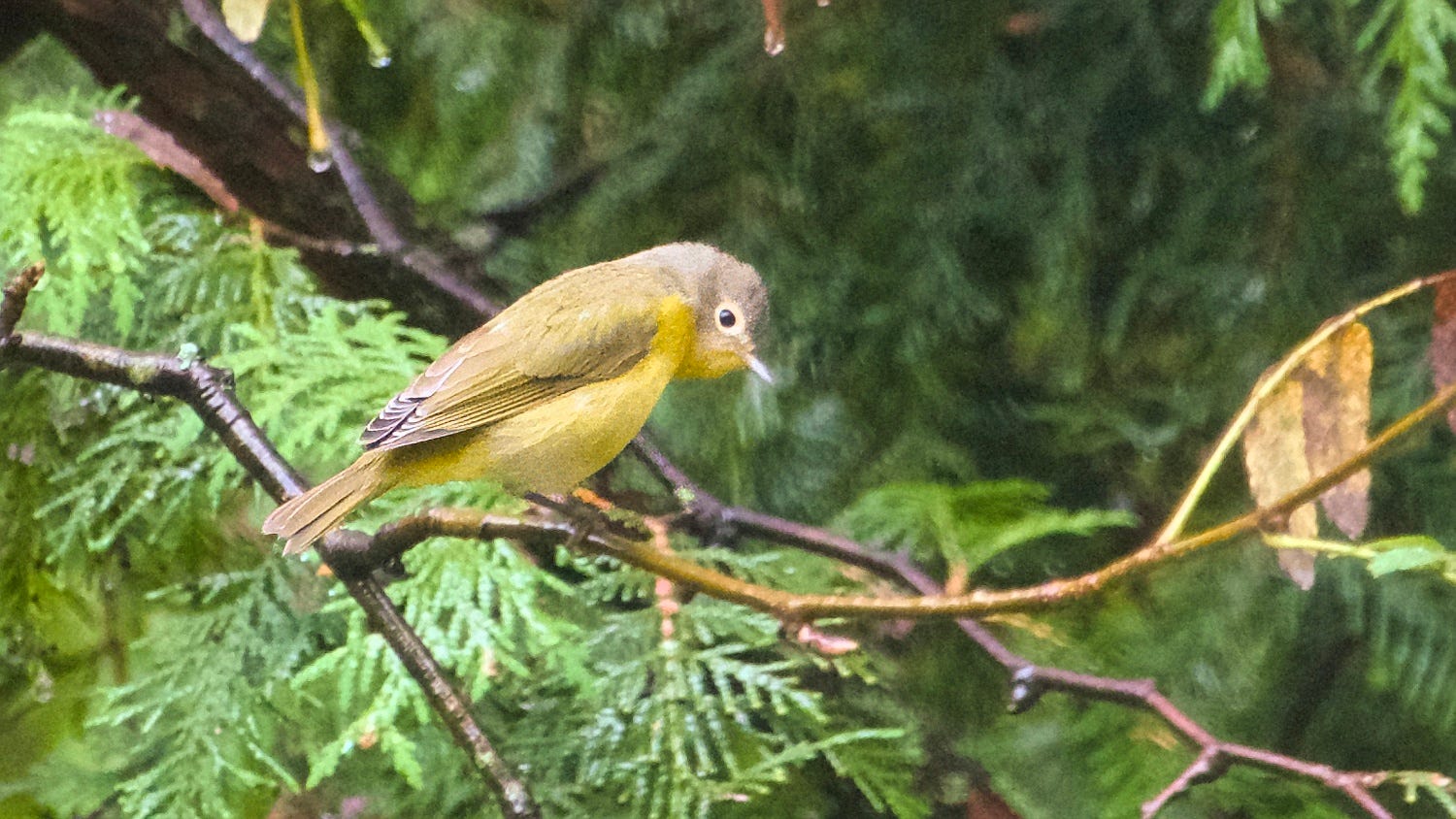
This bird is a Nashville Warbler in its fall plumage starting its migration southwards before winter arrives. We encountered it in the nearby arboretum. Although named after Nashville, Tennessee, they only pass through that area during migration to southern Texas and California, mid-Mexico, and the northernmost parts of Central America (Guatemala and El Salvador) in winter. In their breeding range, they prefer open mixed woods and bog habitats. There are separate eastern and western subspecies.
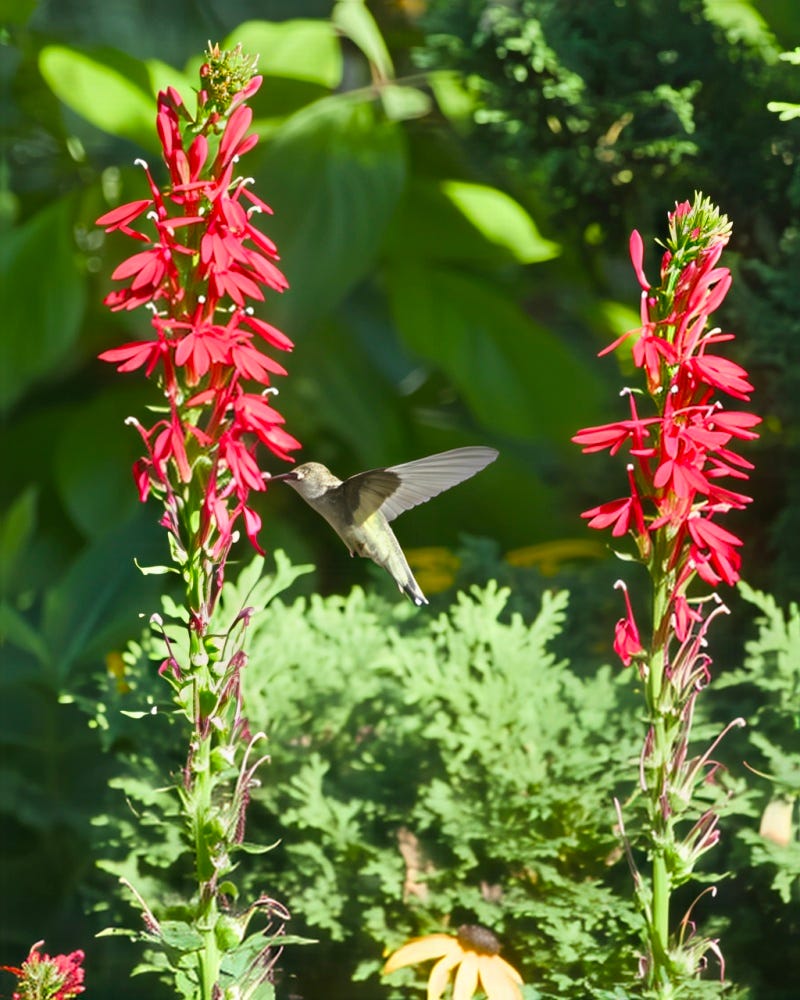
This year we have had Ruby-throated Hummingbirds in the garden for most of the summer. Usually just one, occasionally two. No doubt “our” hummers have left for the south but we are now seeing one, two, three, sometimes four birds passing through from further north that are drawn to pause by our selection of nectar-rich flowers. The natives, such as Monarda, are mostly past their best and forming seed heads but the Mexican cigar plants (Cuphea) still have drawing power and nectar to offer, as do Canna lilies and - native - Cardinal flowers.
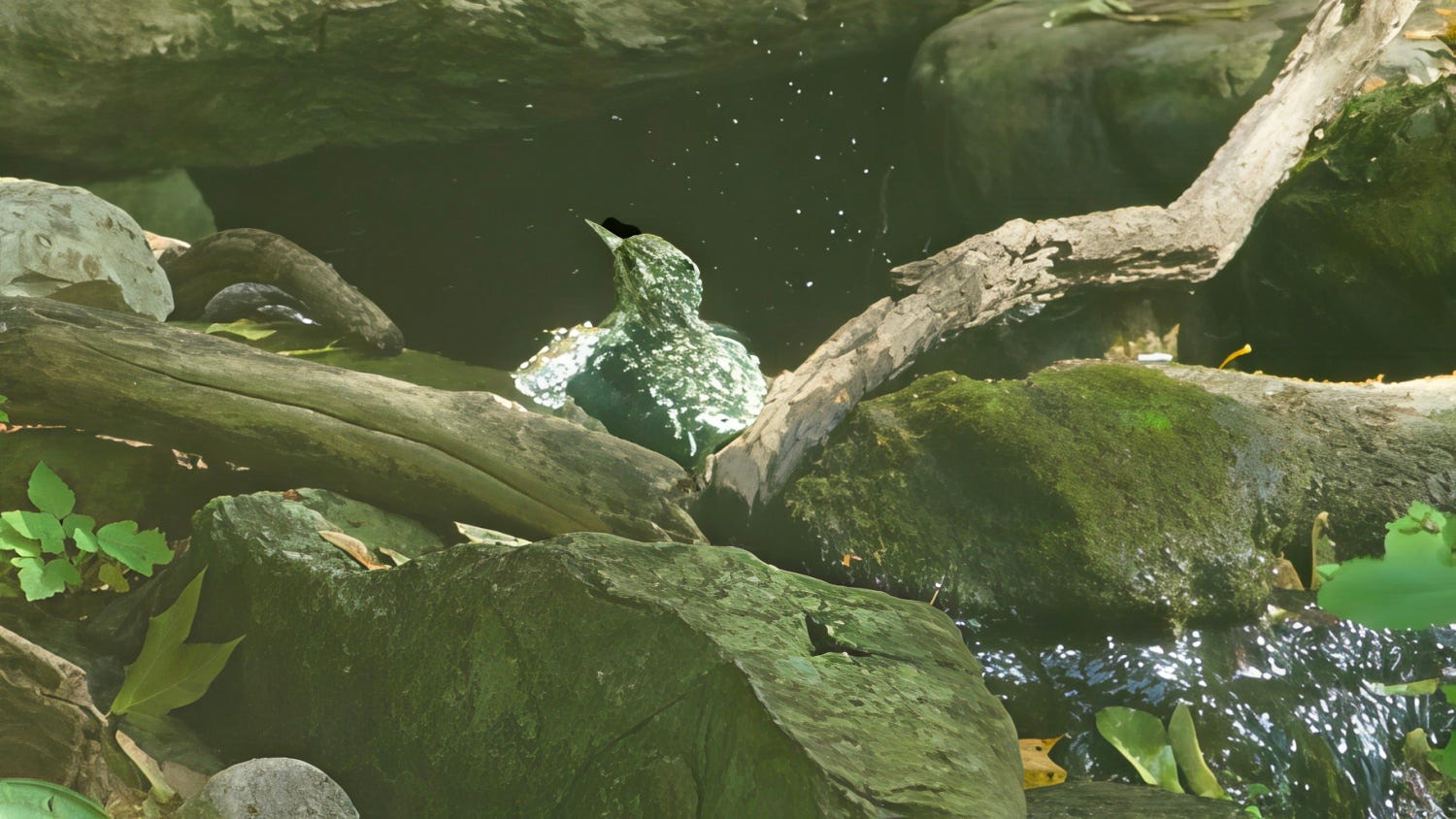
And a bird we usually see in the spring migration period but which flew right past this year. A very brief fall visit by a Yellow-bellied Sapsucker who stopped for a 15 second splash in the waterfall has added an expected tick to the year’s garden checklist.
That’s enough for this Sunday …
Well, that’s enough except for maybe reading these associated articles. Further proof that honeybees DO have a bad effect on populations of native bees by out-competing them for pollen.
https://www.theguardian.com/environment/2025/sep/18/hives-honeybee-boom-tuscan-island-italy-aoe
Breaking News - Saturday Evening
Almost 30 years ago we lived for many years no more than ten minutes from the Paxton Pits nature reserve in Cambridgeshire. Splendid place with marvelous wildlife and about to increase hugely in size.
I, with Mabel, had nearly 50 years of enjoying nature together, at a time when species were not declining as much as they are today and talk of global warming was yet to take hold. Me thinks we saw the "best of times' (after all, we did have the Beatles, of course). Our interests were many but most of our nature experiences came from a keen sense of conservation and the time to study it in detail, to contribute to it, and to pass on what we had learned to the next generation. Mabel was particularly good at verbal communication with others that we met and many will attest to that fact. I, meanwhile, did most of the writing. I should also say that my interest in nature came from illness as a "lad", and my mother who kept me going., for which I am forever grateful. Richard, the Cardinal flower, although not an orchid, is one of our favourites. Thank you for the photo.
I so agree about the sharing of interest in our natural surroundings. Perhaps especially with young people. Giving kids ways to get to know nature, can bring them closer to exploring it on their own. A walk in a snowy woods to listen to the quite, will stay with them for a lifetime. As will getting in the habit of looking more deeply into any puddle one is passing!
Thanks for acknowledging my earlier comment. I am heartened to know it was okay to speak up. I am so happy for you with regard to the Paxton Pits nature reserve!! This news must do your heart good! It does mine, even at this great distance.