Wild Thoughts - First Frost
25 October
25 October
A bit of this and a bit of that today …
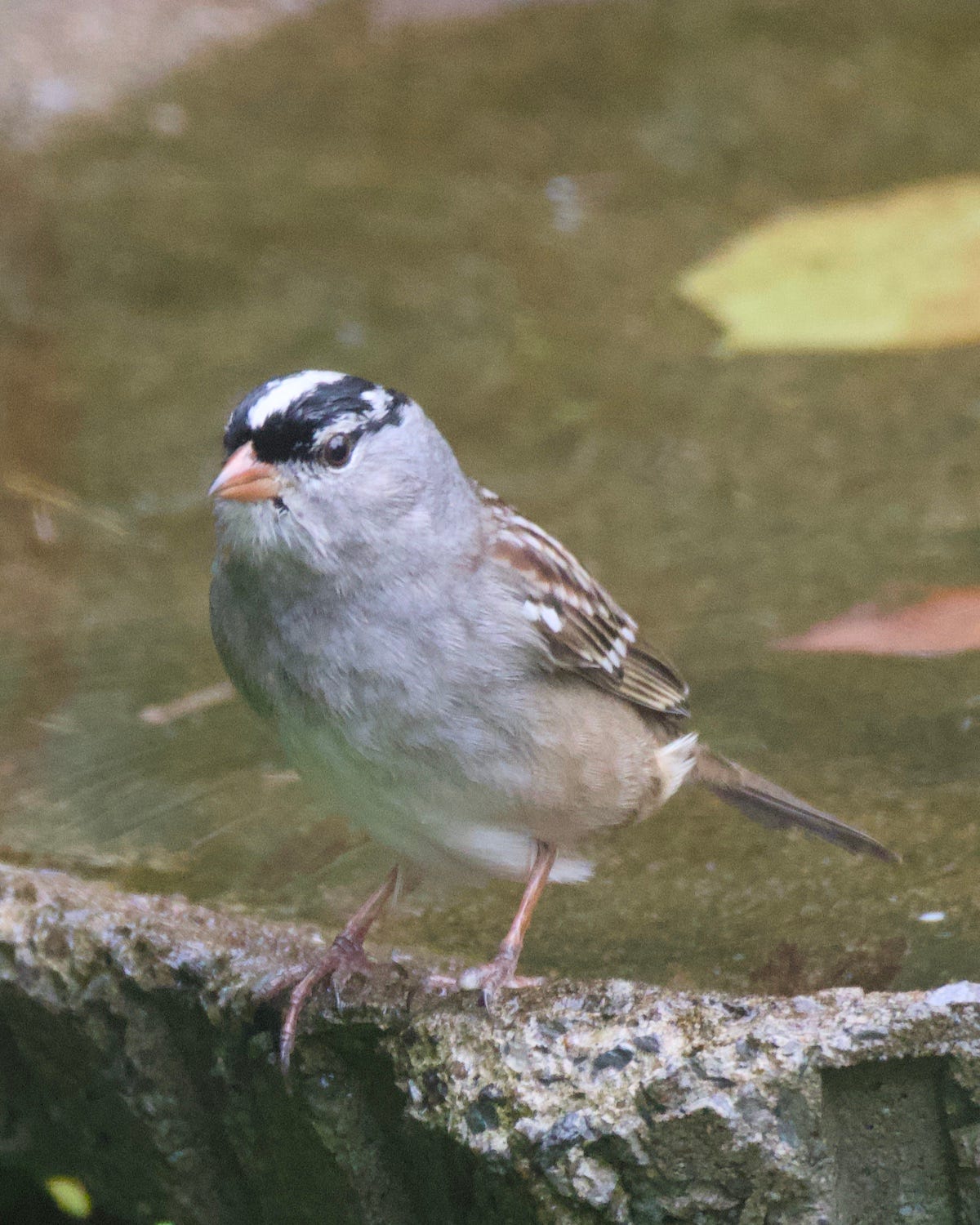
Yesterday we had the first, light frost of the year. Air temperature was around +1.5C but there was a light glimmer of frost on the deck and on leaves. As the sun rose it soon sublimated and disappeared in tendrils of steam. A thin skim of ice on the bird bath may have tempted the first, tentative skating session for small birds.


FeederWatch - starting our 28th season
Next Sunday (1 November) will be the start of this year’s FeederWatch. The fortieth year since it started and something that keeps us sane and mentally alert during the months of winter. We have been involved in 27 annual FeederWatch seasons involving 541 two day count periods - during these we have recorded 51 different bird species visiting our garden and its feeders during the coldest months. Find out more at this link, and maybe sign up and join in the fun too.
https://www.birdscanada.org/programs/project-feederwatch
FeederWatch runs from November to April and invites birders to share observations of birds visiting their backyards and community spaces. The program is flexible and designed to fit your routine. You choose where to participate, when to take part, and how much time to spend, whether that’s every week or just once over the winter.
If you live in North America and don’t already FeederWatch in winter then I invite you to have a look at the link above and sign up. If you are in the US rather than Canada then this is the link you want:

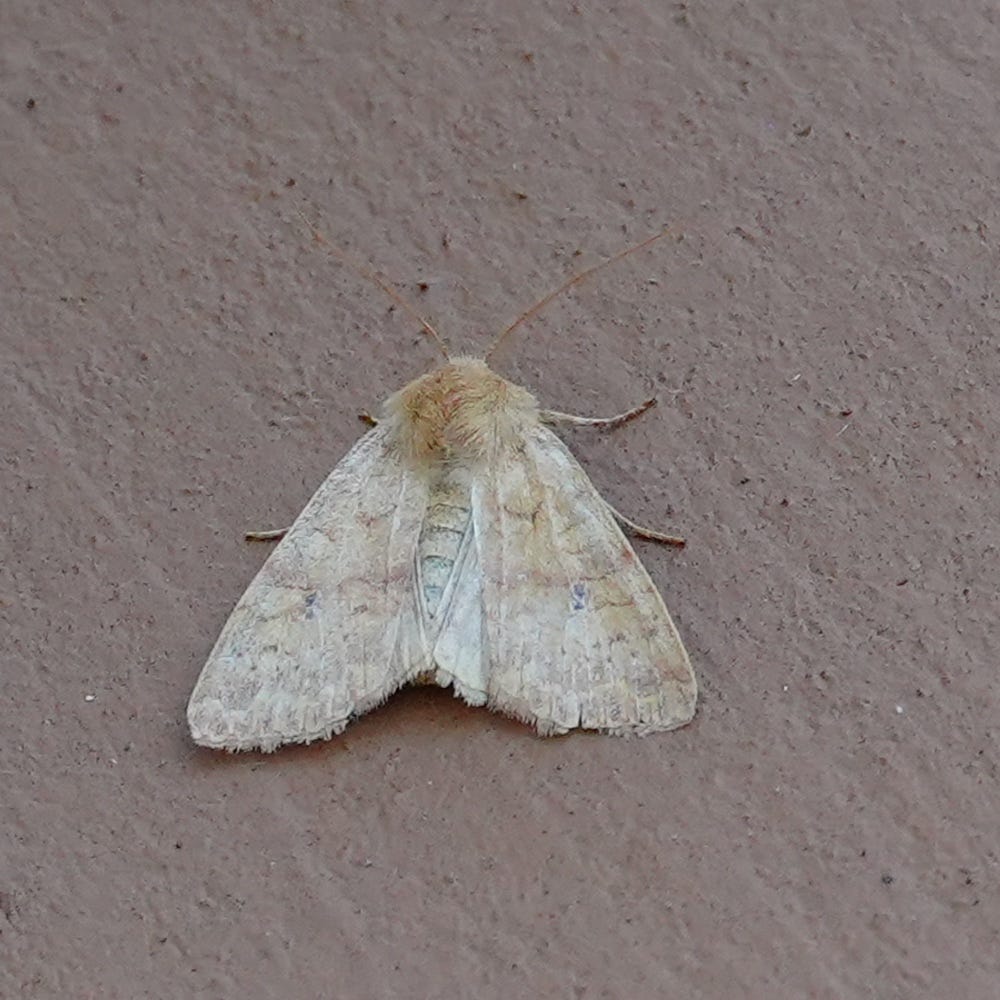
This moth, the Bicolored Sallow (Sunira bicolorago), is local to the eastern side of this continent and a late flyer so finding it flying around in late October is not unusual. Found in places with hardwood trees, especially maples, elms, and trees that flower in late winter or very early spring. Eggs are laid in masses among flower buds of trees and shrubs such as maples, elms, and occasionally, highbush blueberry. The eggs overwinter where laid and hatch in early spring. Caterpillars are seen around June in the north where I am. Mature larvae move into the soil, spin a cocoon, and remain dormant until late summer or fall when they pupate. It is not known where, or on what, older larvae normally feed. Mating of the adults takes place around now. A new species for my personal life list.
Garden Truth
On the subject of gardening, there will be more and more frosts ahead - we are preparing the wild garden for winter. When we came here in 1998 there was a huge Norway Maple at the bottom of the garden. As maples go that is not a particularly desirable species, but it was there already, birds and squirrels happily sat in it and it became part of the unremarked on background - perhaps at bit too much so as it casts a lot of shade in the early morning as the sun rises on the other side of it to our garden. Anyway, getting to the point, it developed an area of canker near the base while in the recent years the leaves in its extensive canopy have become sparser and sparser, year by year. We bit the bullet and decided it had to go. A felling permit from the town was obtained and on Thursday it came down. What a difference - so much morning light in a shadowy part of the garden that has been hard to grow much of interest in. Come next spring it will be replaced by something a bit smaller, native and with interesting features amongst which spring blossom and fall colour are on the list. At the moment we are considering an Amelanchier, but we shall see. Time passes and nature does what it can. We also have several Winterberry bushes in need of relocation and yesterday they were transplanted to the area that was under the maple.
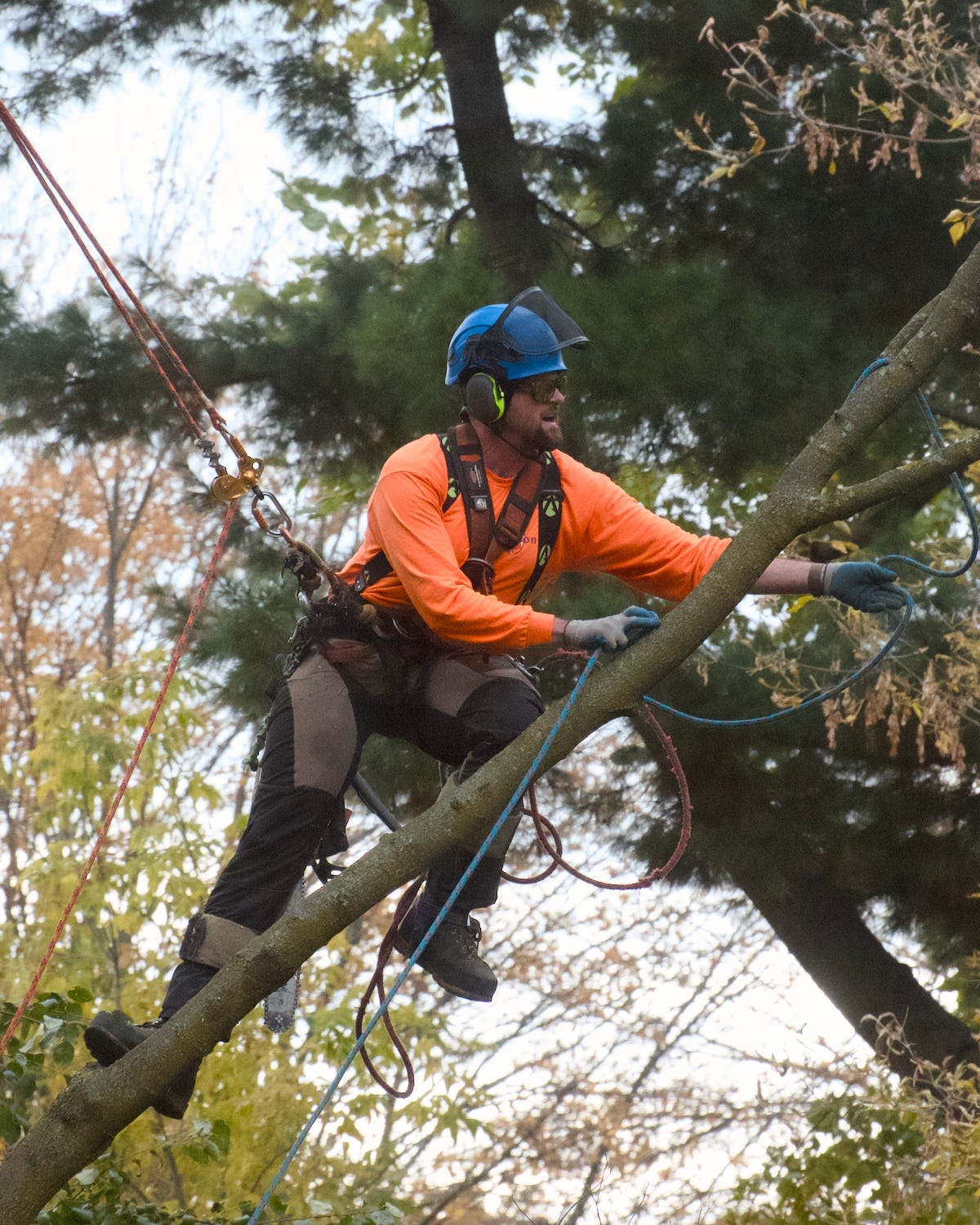
We arranged to have about ten feet of one of the four trunks left standing, the one with the largest area of canker in it. In the years to come we expect this snag to play host to insects that will feed Woodpeckers … looks a bit stark at the. moment but we have plans.
Verify
VERIFY WHAT YOU READ: There was a graphic doing the rounds mid-week which claims that Monarchs have effectively been saved by suburban pollinator gardens. Which would be nice, but a scientist who actually studies the species pointed out that although being widely circulated in the socials, it is “fluff” and not backed by any actual studies or evidence. He finished by saying (and this is important) “I’ll end this comment with this question - is this post true, or, do you WANT it to be true? Knowing the difference is important.”
Loons in decline
Sadly, but not surprisingly given what is happening with other species, there is a downward trend of Common Loons on this continent
“Loons are, unfortunately, not doing as well as we’d like,” said Matthew Fuirst, a research ecologist with the environmental organization Birds Canada, who led the work.
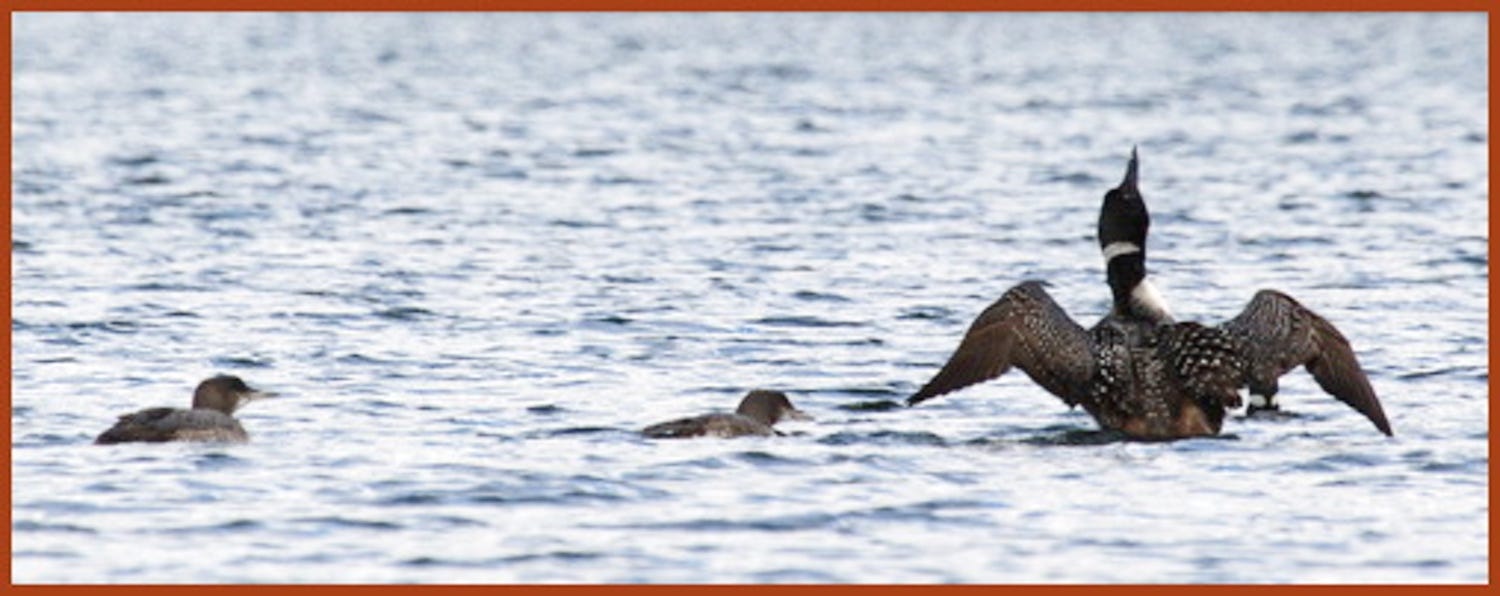
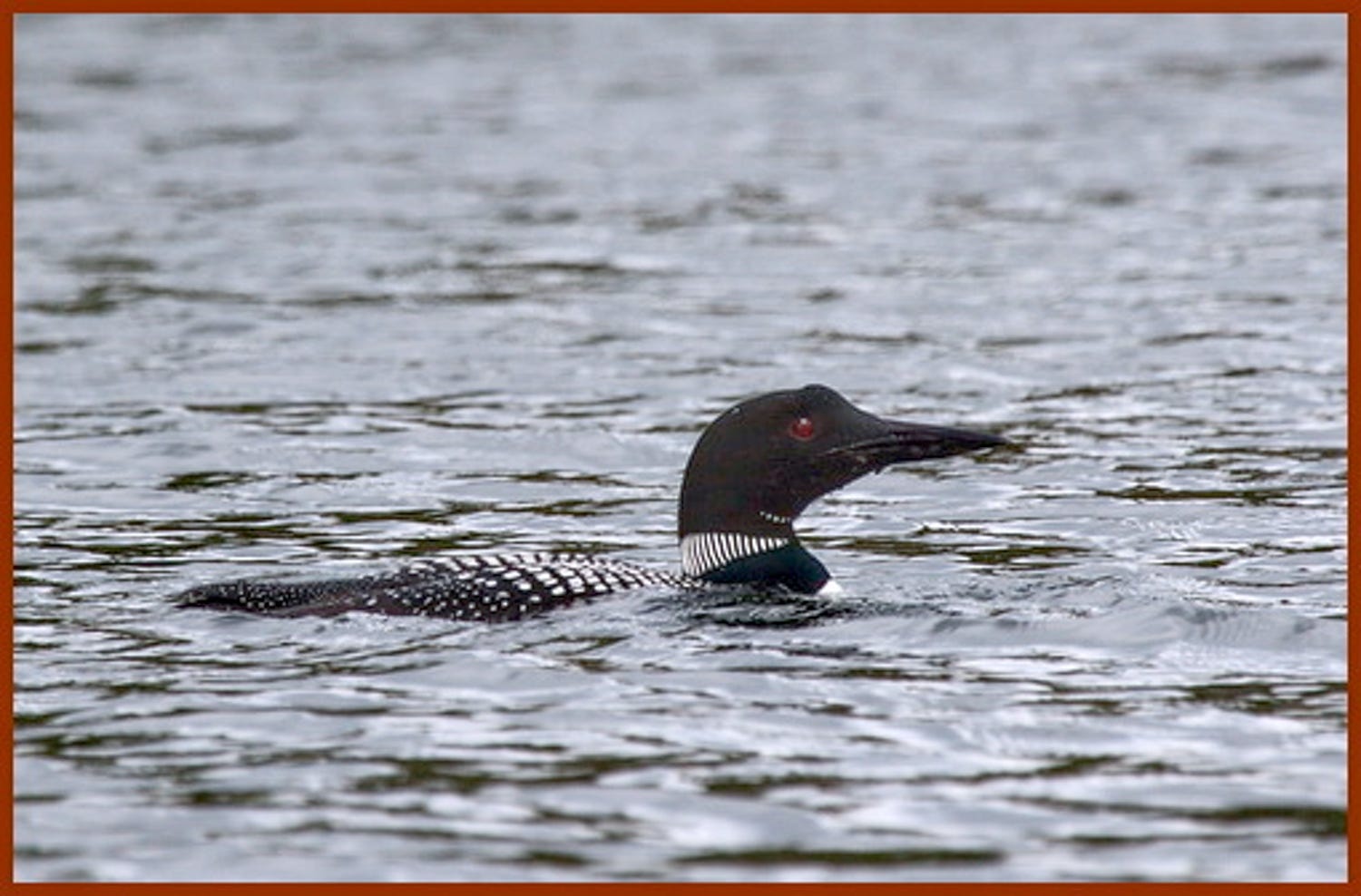
Any excuse though to share a photo of a Loon is not to be passed up … needless to say, I didn’t take these photos this week, but they were on a lake we know within an hour or so drive.
Bird Therapy
Even at my age, I like to amuse myself by thinking that my birding skills are as sharp as they have ever been … but that can change, nobody can foretell the future. This article linked to below encourages me to keep watching the birds … and FeederWatching every winter (see above);
… neuroscientists are investigating how birdwatching impacts the brain. They tested keen birdwatchers’ identification skills to determine who was an expert and who was a novice, then looked at their brains. The scientists found that the very structure of experts’ brains was different – and that birdwatching expertise might slow age-related decline by keeping the brain more organised … compared MRI brain scans from bird experts to those of novices while they identified birds. He found that expert brains were wired differently in regions important for functions like attention, visual perception and visual recognition. Among expert birders, these regions showed more activity – particularly when they were asked to identify birds they weren’t already familiar with. The findings don’t prove whether structural brain differences are the cause or effect of birdwatching expertise. But, one explanation is that the areas of the brain used for birdwatching might undergo “neuroplasticity” – the ability to change shape and function over time.
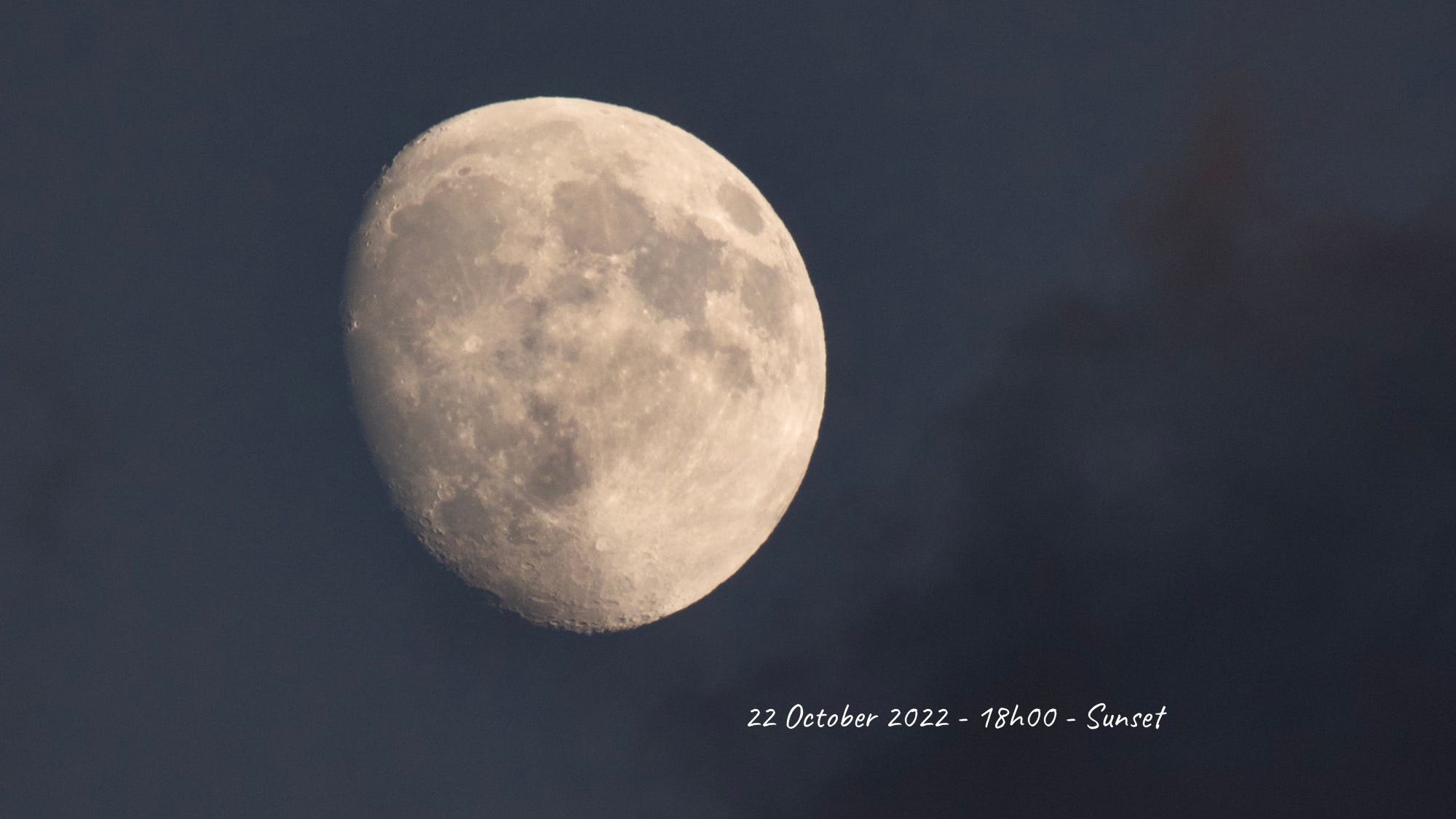
For all my photographic life I have tried to take handheld photographs of the moon without a tripod and have dismally failed. On the basis that photographing the moon is one of those things that you can be tempted to do Whilst Out Walking I tried again a couple of days ago right at sunset. Not entirely dark and a bit of blue in the sky. I got a pair of new cameras recently and wanted to see how they could meet this challenge … well, a surprising success, I think you will agree. Feeling very pleased, if somewhat surprised.
(For the record: Sony a6700 APS-C body with Sony FE 4.5-5.6, 100-400mm lens)
The Bicoloured Sallow is a beautiful moth, with its understated patterns.
It's always a shame to see a tree go, but it will be interesting to see what happens to that spot in the future, native species are always better for biodiversity and leaving part of the tree always helps invertebrates too.