Winding Down - With Nice Birds and a Forest
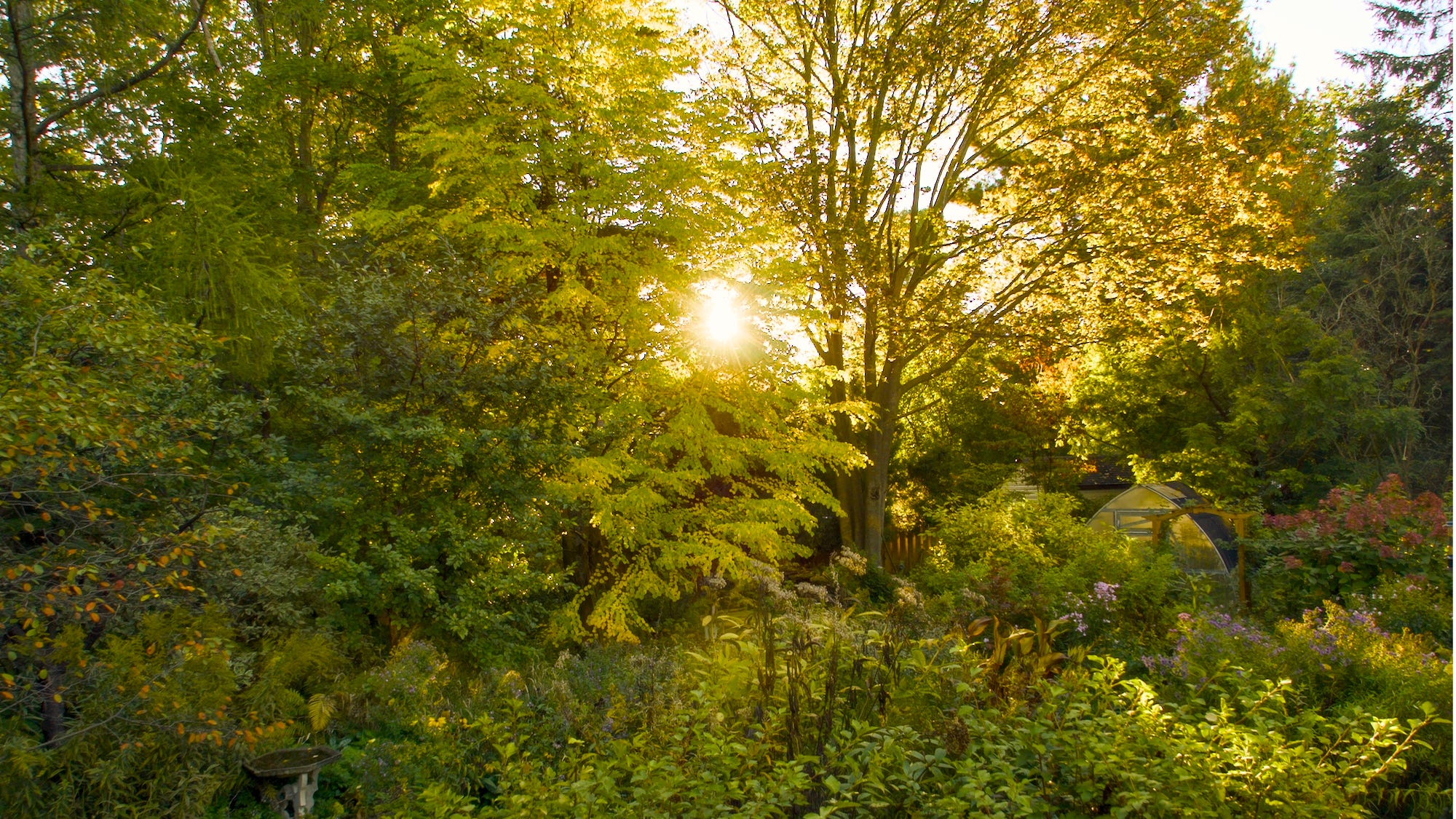
11 October - Trees are turning gold and nights colder
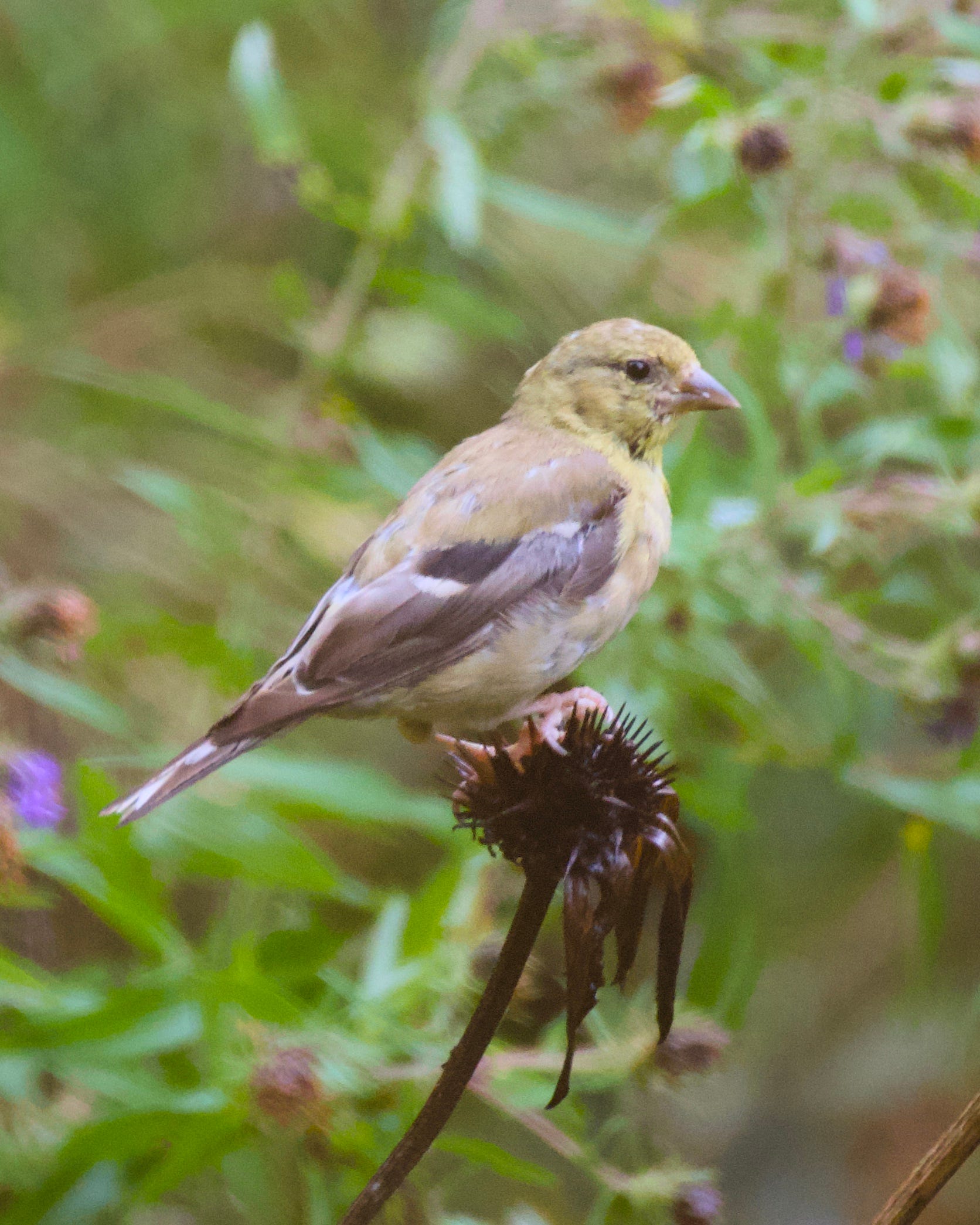
Autumn is here. Trees are turning gold and yellow while the flowers - apart from the purple asters, are mostly gone. Seed heads are standing - we don’t clear them until spring - and birds like the Goldfinch below are already making meals of what they find. There was a white roof on a neighbours house this morning - frosts are coming.

Northern Waterthrush
Some birds are regular annual visitors to the region and often to our garden. Others are generally hard to track down … so it was with considerable surprise that I was called away from an intricate session of focaccia baking by J who had seen a beautiful Northern Waterthrush checking out the garden waterfall. This was a great surprise and only the third time we have seen the species in the garden, always at this time of year in fall migration. This time, I had a camera to hand.
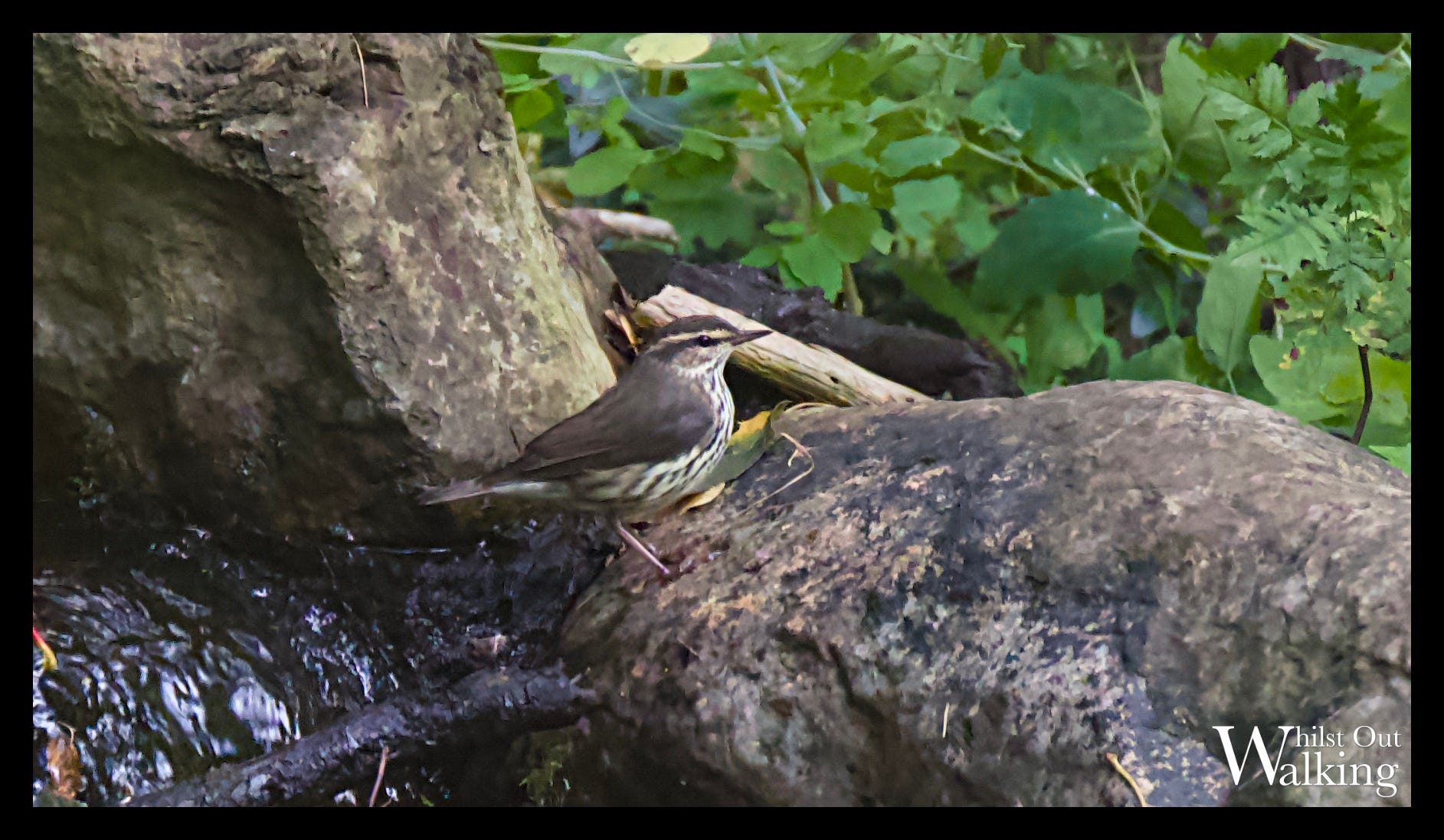
The Waterthrush favours dense vegetation near water and usually is seen on or near the ground, constantly bobbing its rear end up and down. Right now they are headed down to Mexico and the Caribbean, occasionally the northern parts of South America. Its common name is misleading, as it is not a thrush but rather a large bird in the warbler group. Although we do not see them often, they show an increasing population trend that earns it a Least Concern status on the IUCN Red List.
Some 12–15 cm in length with a wingspan of 21–24 cm. Plumage is characterized by an evenly brown back, a brown crown marked with a distinctive white supercilium, and heavily streaked underparts ranging from throat through breast to flanks - probably why it is named a Thrush? The species is notable for its habitual tail-wagging behavior. In the summer when it has returned to the north it is seen in wet woodlands near to rivers, streams, bogs, and swamps across northern North America during the breeding season. Its diet consists primarily of terrestrial and aquatic prey including insects, spiders, mollusks such as snails, worms, crustaceans, and occasionally small fish found by wading through shallow water.
Pairs construct cup-shaped nests from leaves, bark strips, and rootlets, often placed in cavities or among tree roots near water. Where they lay three to six eggs. They show fierce territorial defense during the breeding season, but become rather furtive and skulking during migration periods. Despite occasional geographic overlap with Louisiana Waterthrush, no hybridization has ever been documented between these sister species, suggesting behavioral and ecological mechanisms maintain reproductive isolation. Conservation concerns center not on breeding grounds, which remain relatively secure across Canada and Alaska, but on degradation of overwintering habitats driven by human population growth demanding fuel, food, and living space. Climate change poses additional risks to these coastal ecosystems.
And he was a very welcome visitor too …

Walking in the arboretum
Late March of 1998. Within 48 hours of getting off the plane when I came to Canada 28 years ago, I went exploring and found myself at the entrance to the Morgan Arboretum. Still very much a favourite place to wander in and only ten minutes drive, if that, from my door. Most of these pictures were taken yesterday on a glorious early October day - the trees are starting to get their autumnal colors but need another week, maybe two, to reach their peak. Canadian Thanksgiving weekend.
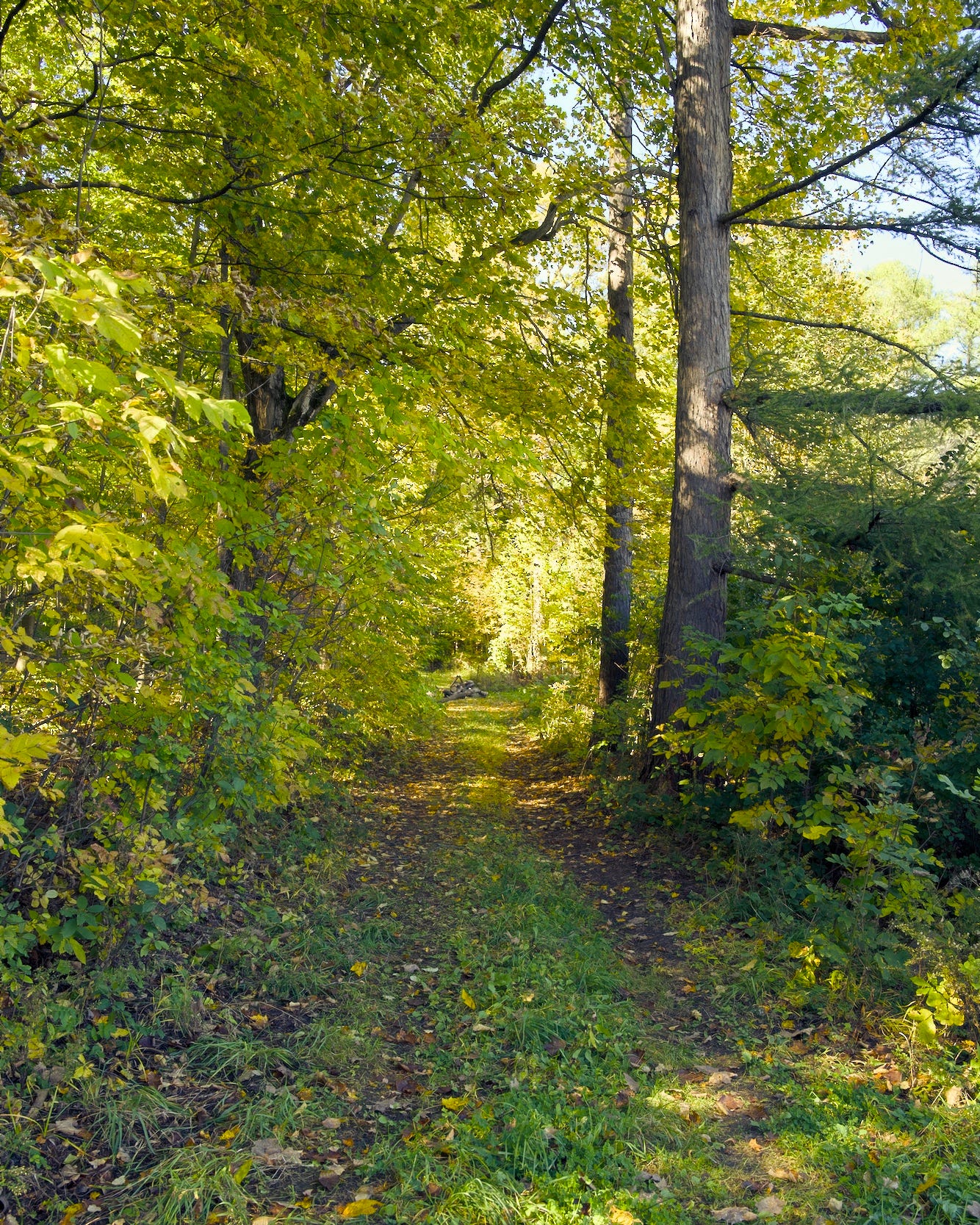


Over the years, I have volunteered at the arboretum - which is owned and managed by McGill university and is the biggest in Canada. Leading birding walks, giving talks and chairing the Friends of the Arbo. On that second day in Canada, with memories of the wonderfully groomed Westonbirt Arboretum in England in my mind, I expected to find groomed trails, maps and a guidebook at the very least. They have maps but I am still waiting for someone to write the guidebook! I did self-publish a birding guide to the arboretum a few years ago but it is in need of revision and updating. One day perhaps. It’s a delightful place to visit even if the trails are not “groomed” to Westonbirt standards … for which I am rather pleased. Grooming would really spoil this bit of peri-urban forest and probably drive a good proportion of the wildlife away.

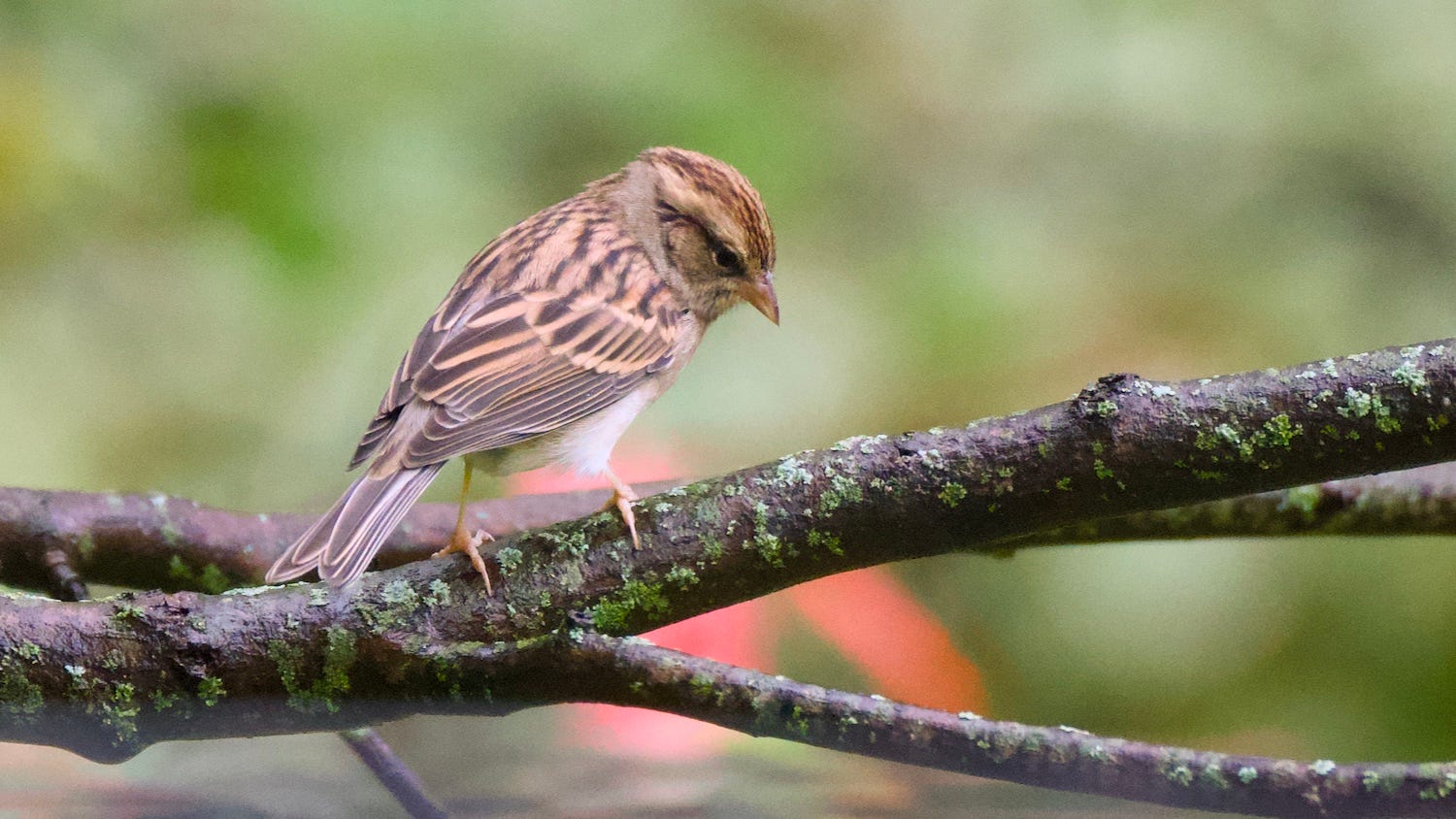
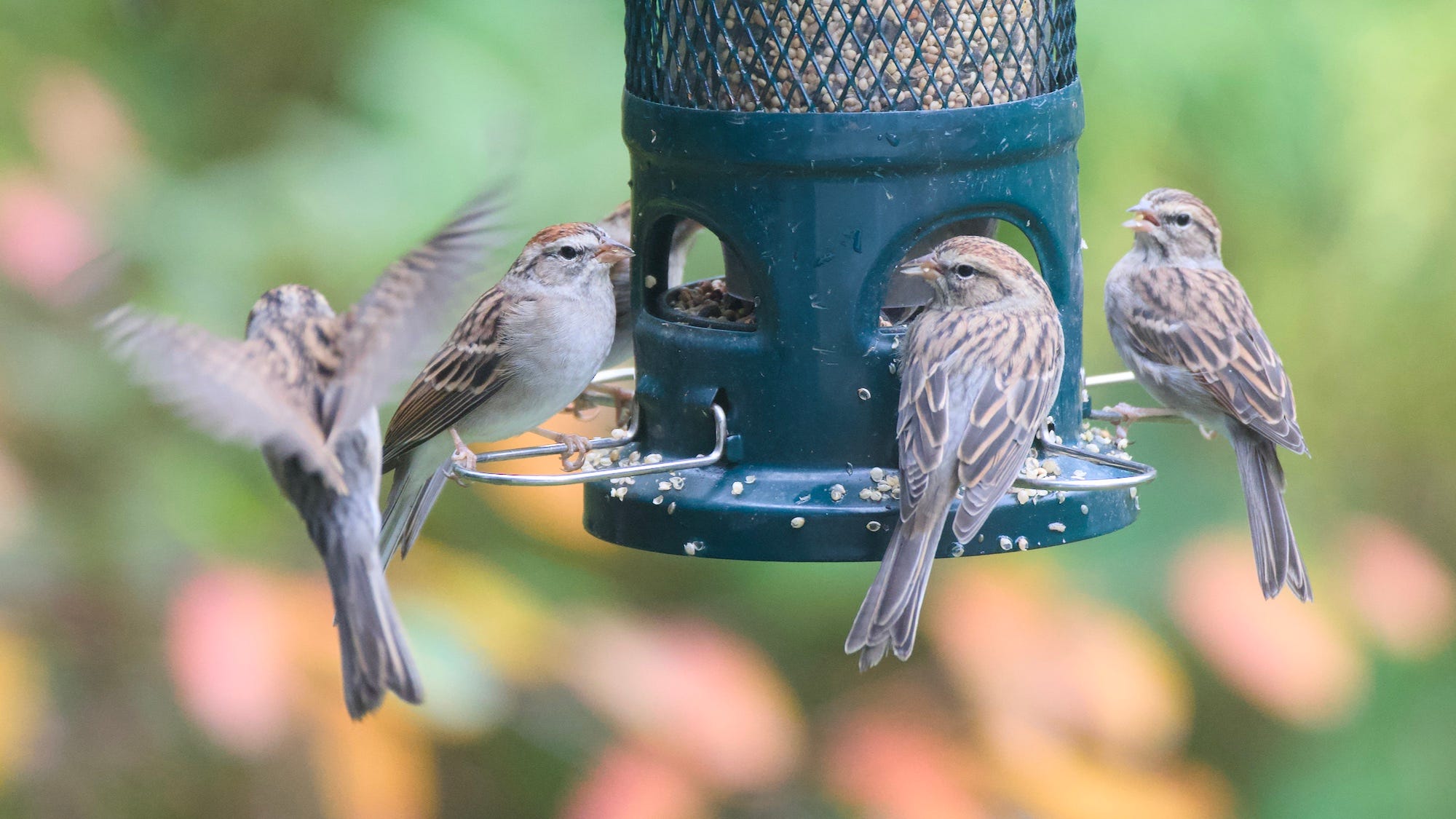
Chipping Sparrows
Late movers southbound, we have had many, many Chipping Sparrows in the past week or two stopping in the garden. There is food here and an absence of predators so that is good. I really like these little fellows - a sparky bird that like all small creatures doesn’t know it is small.
Hummingbirds still
Yes, we thought they had all passed through by now but every couple of days another little bundle of energy visits to check out the pot of Cuphea flowers on the deck whose red, tubular flowers call to them with cries of “nectar, nectar, over here … !” Nights are not yet freezing, but getting cold so I hope none get left behind.
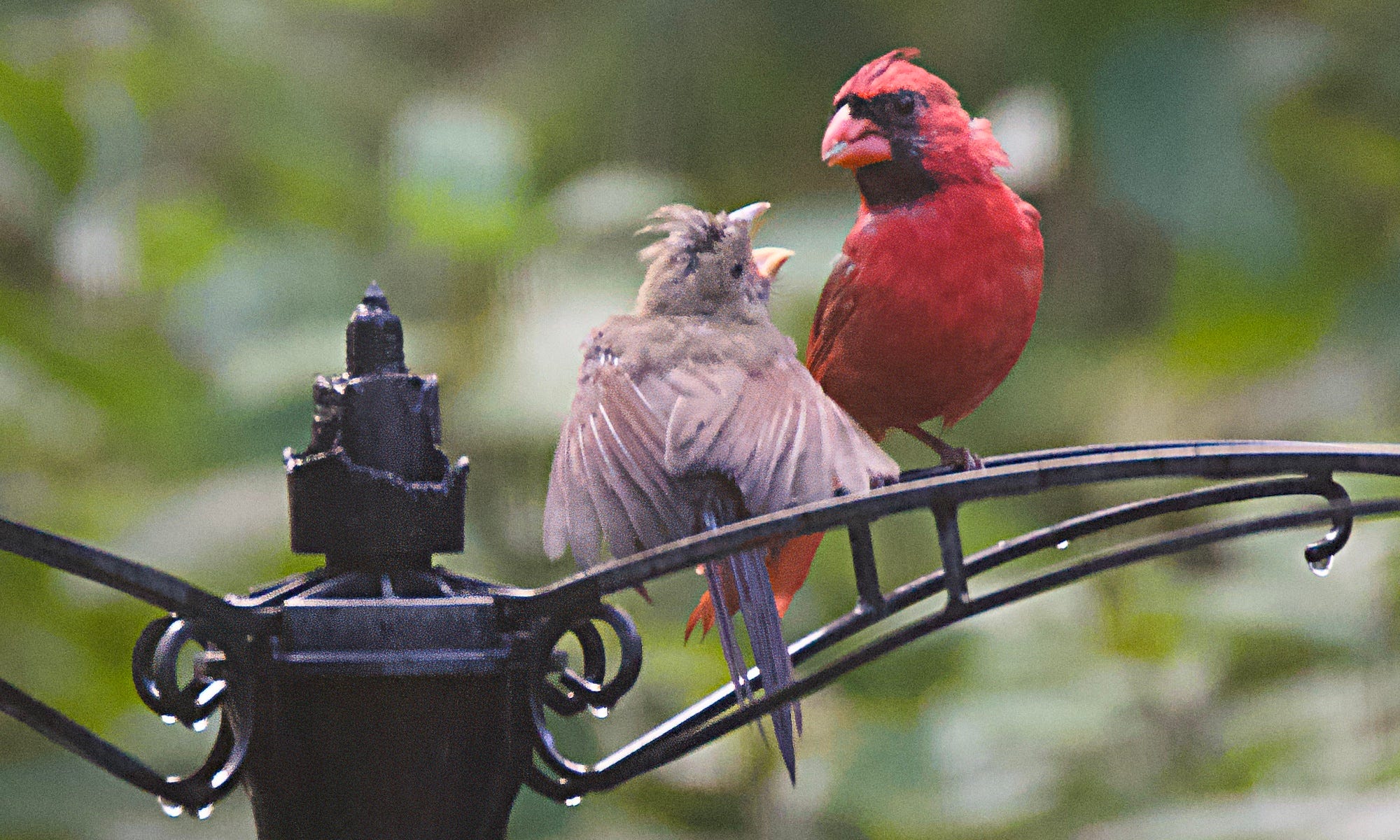
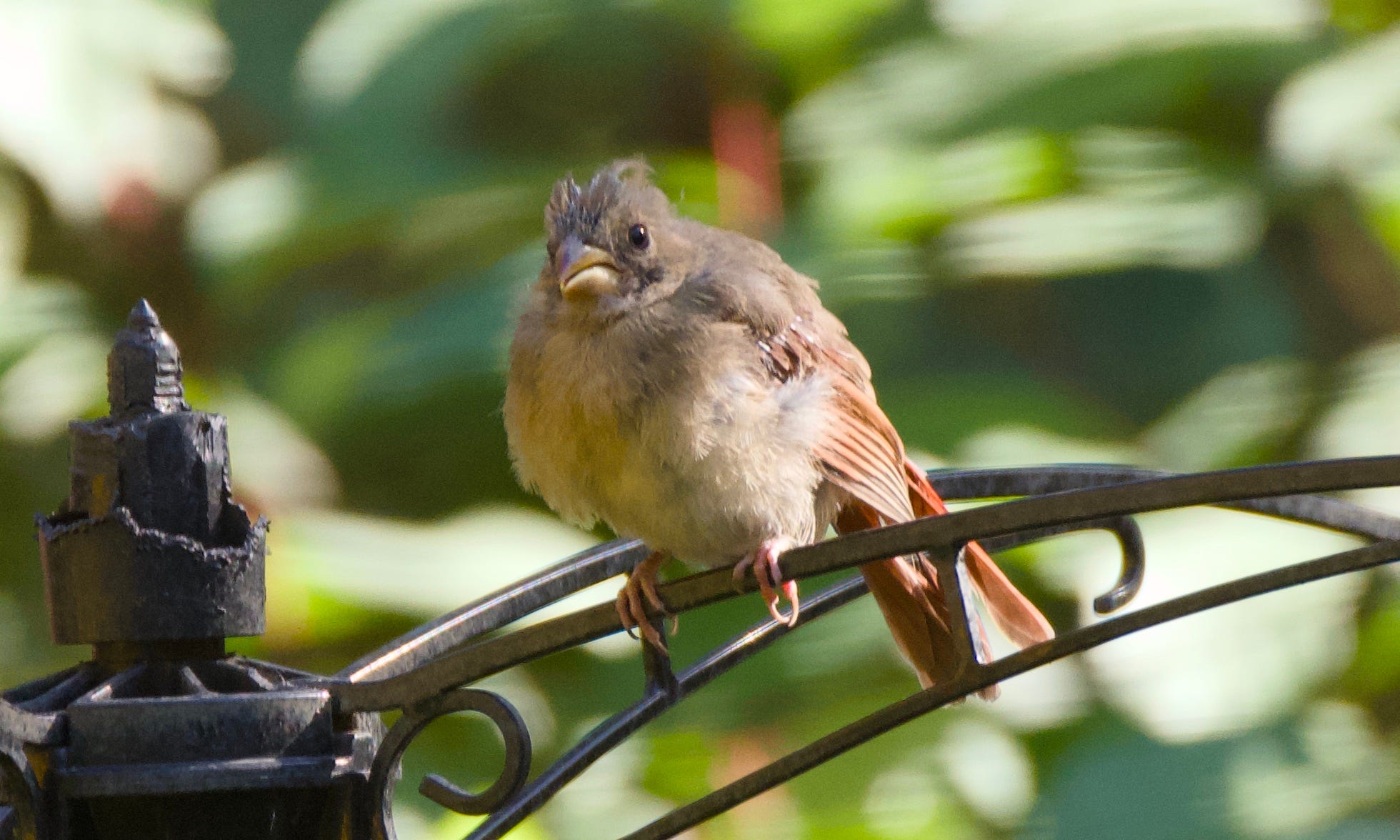
Bringing up baby
Over a week into October and the parent Cardinals are still feeding their youngsters. Male Cardinals are simple creatures - they will shove a peanut into any gaping beak … usually one of their own youngsters but it’s not unknown for them to feed a bird from another species. This one is a late arrival - I doubt it will be able to properly fend for itself by the time the winter snows arrive.


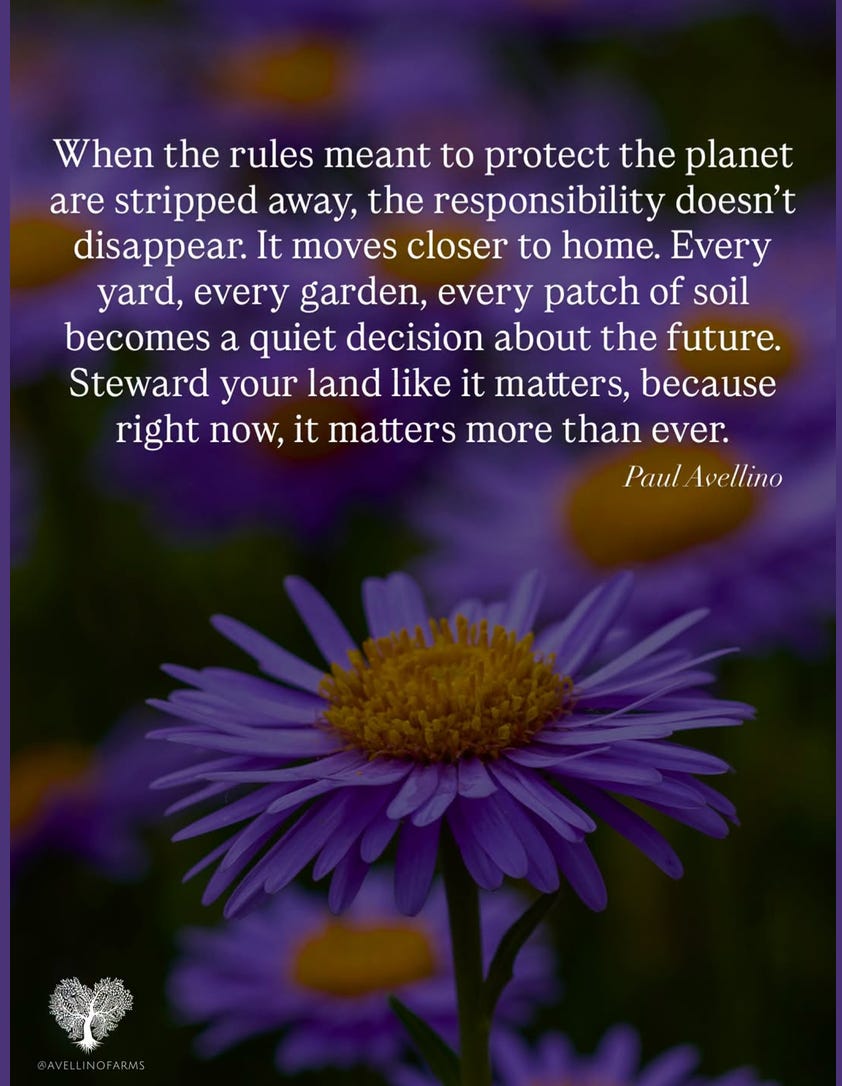
Our Gardens Matter
Absolutely our Gardens matter - thank you for the wander round your patch and to see some super birds
Seeing your mention of Westonbirt put a smile on my face. We visited there, for the first time, just a few weeks ago. A lovely place, indeed, though as you say, somewhat 'manicured'. It was very quiet there, almost too quiet. We didn't see many birds or other wildlife as we ambled around. Then again, a group of humans casually strolling and chatting may have put them off. Still, the feature that sticks in my mind the most is the 2,000yr old tree - impressive in it's own heavily coppiced way. I think I prefer the wilder, more unkempt environment of Morgan by the look of it 🙂. Thanks for sharing your very enjoyable words and images.